


Living with pets can be incredibly fulfilling, and while some people assume animals only care about themselves, pets often show deep affection. Animals have an extraordinary ability to sense things beyond human perception, like illness. For example, dogs and cats can detect sickness through scent and might attempt to alert their owners. But how exactly does this happen? We’ve identified several clear indicators your pet may give if you’re unwell, and we also explore how animals help detect illnesses, including some touching real-life examples.
They shower you with attention
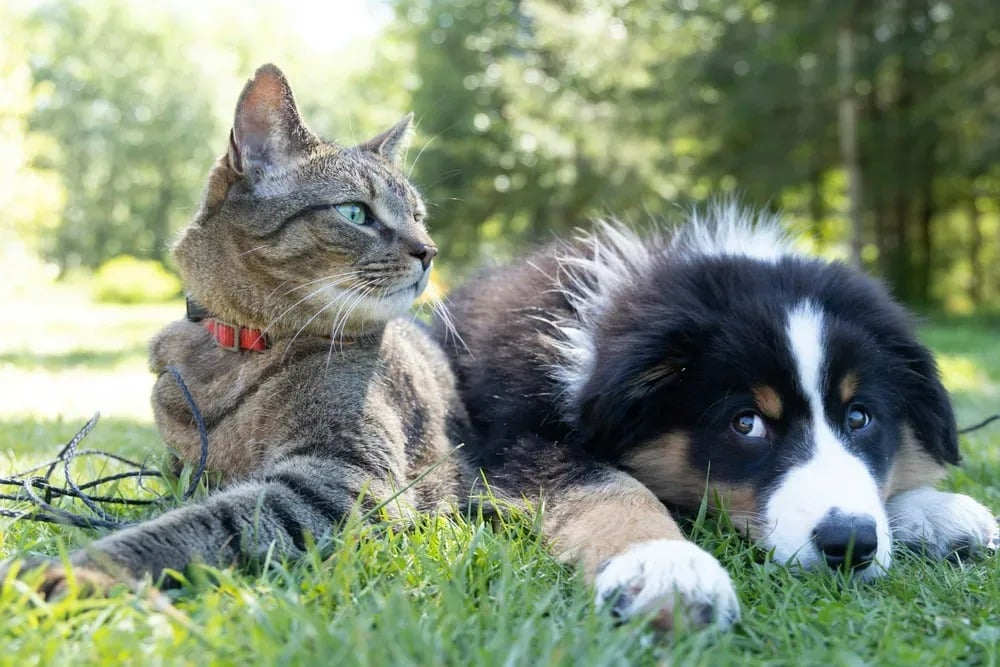
You might notice your pet becoming particularly attentive even before you realize you’re getting sick. This behavior occurs because pets detect subtle signals, such as changes in your scent, that humans overlook. Essentially, your pet starts caring for you even before you’re aware you need it.
They sleep closer to you
If you’re feeling sick, you may observe your pet sleeping much closer than usual. Pets do this as a way to comfort and reassure you. One Reddit user mentioned that during the last days of her pregnancy, her cat snuggled close to her belly, possibly sensing the onset of labor.

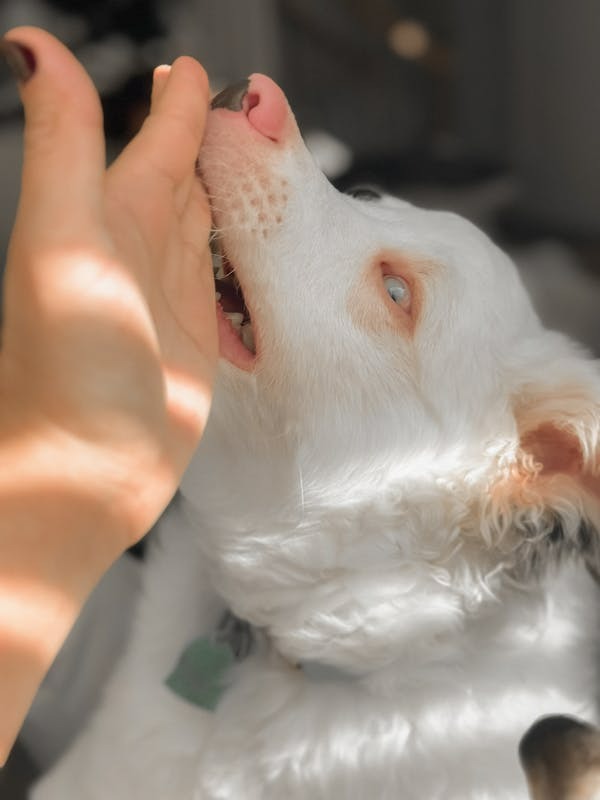
Dogs may start to excessively lick you
Animals don’t just sense sickness; they’re also adept at recognizing injuries. Sometimes, we injure ourselves without noticing, yet pets frequently detect these injuries. Dogs, for instance, often lick or groom areas on their owner’s body where injuries or other issues later emerge.
They refuse to leave your side
A comforting aspect of feeling ill is how your dog or cat tends to remain nearby, sometimes refusing to leave your side. If your pet chooses to stay close despite temptations like their favorite food, it indicates genuine concern for your well-being.

They will try and protect you
While you recover, many pets remain steadfastly by your side, almost as if they’re guarding you. Some animals take this protective duty very seriously. Dogs and cats might even growl or behave defensively toward anyone approaching, doing everything they can to keep you safe.

Your pet might become calmer
If your pet, normally full of energy, suddenly becomes noticeably calm, it could indicate they’re worried about your health. When animals typically known for high energy levels start behaving more calmly, it’s wise to consider checking your own health.

Or they might get more restless than usual
Conversely, if your usually calm and quiet pet suddenly grows restless, this could also signal concern. Such agitation is their response to sensing discomfort in you. Generally, any significant shift in your pet’s usual behavior might indicate that something isn’t quite right with your health.

Cats will purr to try and alleviate migraines
Migraines can be incredibly challenging, and although your instinct might be to isolate yourself in a dark, quiet space, cat owners may benefit from letting their feline companion in. Research indicates that cats frequently purr when their owners suffer from migraines, and spending time near a purring cat can significantly ease symptoms or even make them disappear altogether.

A dog’s nose is almost as accurate as medical testing
When you’re ill, your body undergoes chemical shifts that dogs can easily detect thanks to their exceptional sense of smell. Specifically, dogs can sense volatile organic compounds (VOCs), which aids them in identifying a wide range of illnesses, from simple colds to serious conditions like cancer, even before symptoms become noticeable to humans.

Less demanding
Occasionally, dogs lose interest in energetic activities, such as walks, shortly before their owner becomes ill. Dogs seem to recognize reduced energy levels in their owner and therefore become less insistent on activities like walks, attempting to ease the stress or physical demands on their human.

A dog’s body language will change
Due to their keen sense of smell, dogs can detect health issues much sooner than humans, which might make them anxious or concerned. Their worry often manifests through distinct body language signals, such as showing “whale eye,” increased sleepiness, tail wagging, or more frequent cuddling.

Cats can smell death
Cats have long been associated with supernatural occurrences, and it’s not surprising they can seemingly sense or smell approaching death. A notable example is a cat from Rhode Island, known for resting near ICU patients shortly before they passed away. Remarkably, about 50 patients died only a few hours after the cat’s visits.
Rabbits can tune into menstrual cycles
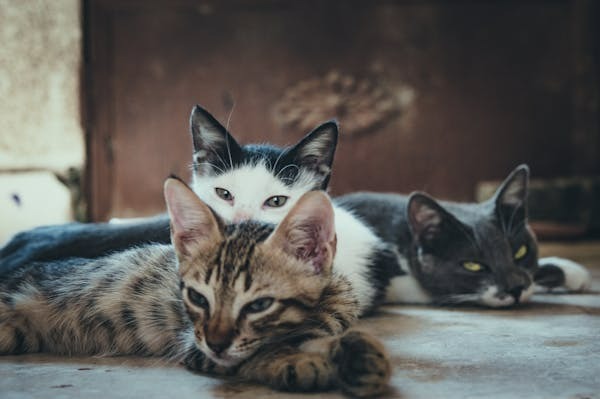
It’s not just dogs and cats who sense their owner’s health conditions; rabbits also exhibit unique sensitivities. Female rabbits can react to their owner’s menstrual cycles with noticeable behavioral shifts and can even detect pregnancy at very early stages.

A cat once saved its owner from drowning in the bathtub
Even when you’re not unwell, pets constantly keep an eye on your safety, sometimes intervening in surprising ways. One woman told Buzzfeed how her cat saved her after she fell asleep in the bathtub by biting and pulling her ponytail, effectively keeping her head above water.
Staring at you more often, and more intently
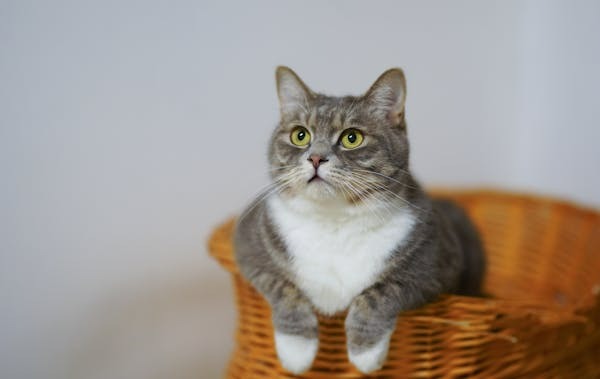
A clear indication your pet is concerned about you is when they won’t stop staring at you. Animals gather vast amounts of information through their senses, especially scent, and staring at you could mean they’re processing important signals about your well-being.

They suddenly go to great lengths to avoid you
While most pets respond to their owner’s illness with increased affection, others might behave oppositely and distance themselves. Numerous instances exist of pets distancing themselves from their owners, who later discovered they were seriously ill, particularly with conditions such as cancer.

They will become more vocal
Another straightforward indication your pet senses something wrong is if they become noticeably more vocal. While humans might not fully grasp what an animal’s whimpers or cries mean, sudden and increased vocalizations typically suggest they’re urgently trying to communicate something significant.

Cats may begin to purr more
Cats often purr to soothe themselves, and when sensing their owner is emotionally or physically distressed, their purring frequently intensifies. Since purring has a calming effect on cats, they’re likely hoping it will similarly comfort their owner. Studies confirm that a cat’s purr releases endorphins, helping humans reduce anxiety and lower blood pressure.

A dog once saved its owner from choking
Beyond detecting illness and intuitively responding to emotional and minor physical health issues, pets can even help with emergency situations. For instance, a British man reported that his Labrador helped save him from choking by leaping onto his back, dislodging food that was obstructing his airway.

Your cat starts acting oddly
Cats sometimes act strangely for a variety of reasons, and one of them is connected to their owners. When you’re feeling under the weather, your body’s hormones shift, subtly altering your scent. Cats, with their keen noses, pick up on these differences and may behave in unusual ways around you.
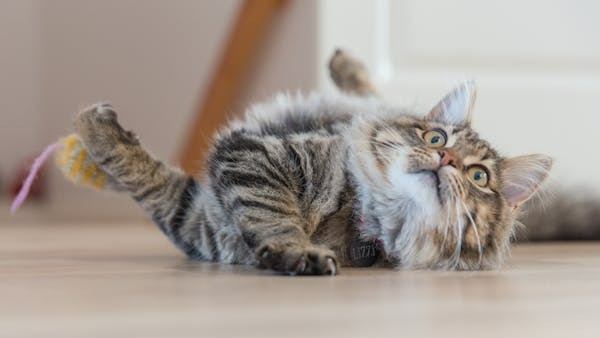
They sense a change in your routine and mirror it
Routine is crucial for animals like cats and dogs, and they quickly recognize when something disrupts it. Illness often causes these changes, and pets are highly attuned to them through their sense of smell. When this happens, they usually put aside their frustrations and adjust, often offering quiet comfort.

Cats try to heal broken bones through purring
A cat’s purr is more than soothing—it has healing properties. Purring occurs at frequencies between 25 and 140 Hz, which research shows can help mend bones, ease wounds, and relieve joint and tendon issues. So if you’re recovering from an injury, cuddling a purring cat might actually help speed things up.
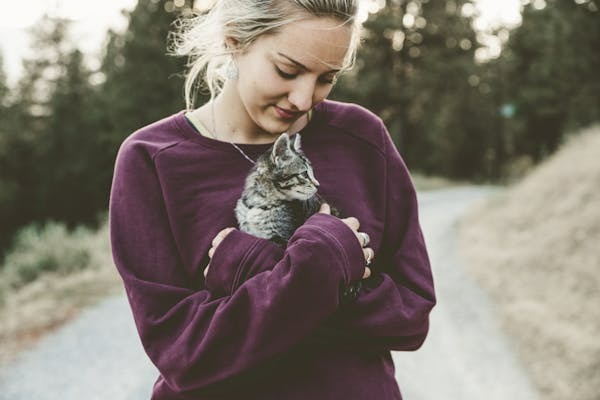
Your pet might start bringing you gifts
While cats sometimes leave unwelcome surprises like dead prey, they take a different approach when their human feels ill. Instead of gifts like that, cats (and dogs too) often share their cherished toys as a gesture meant to comfort and uplift you.
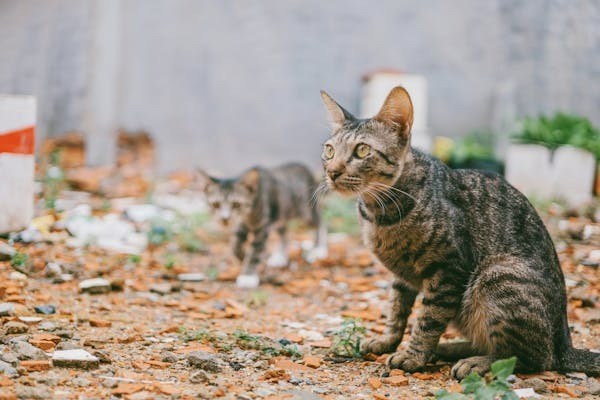
A cat’s eyes will dilate
When cats feel nervous, one clear sign is their dilated pupils. They might become anxious for many reasons, including concern for their owner’s health. If your cat’s eyes seem larger or stay dilated more often than usual, it may be showing signs of worry about your wellbeing.

Dogs can smell cancer
Dogs are renowned for their powerful noses, and among their many talents is the ability to detect cancer. Some are even specially trained to work in labs, where they sniff blood samples and help identify those that could indicate cancerous conditions.
Cats can help with heart problems
Animals often step up during emergencies. One Reddit user recalled how her cat helped during her partner’s mild heart attacks by lying on his chest and purring while kneading gently. This calming action kept him steady until help arrived, showing just how intuitive pets can be in critical moments.
Pets might change their sleeping habits
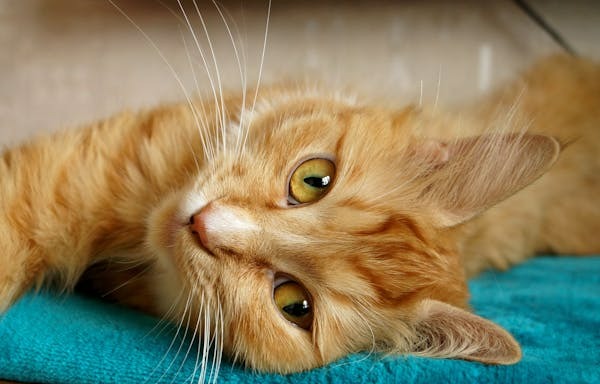
When pets sense something isn’t right, they often change their sleeping patterns to stay close to their owners. They might stay alert instead of resting, watching over you when you’re unwell and ensuring they’re ready if you need them.
They paw or butt at you insistently
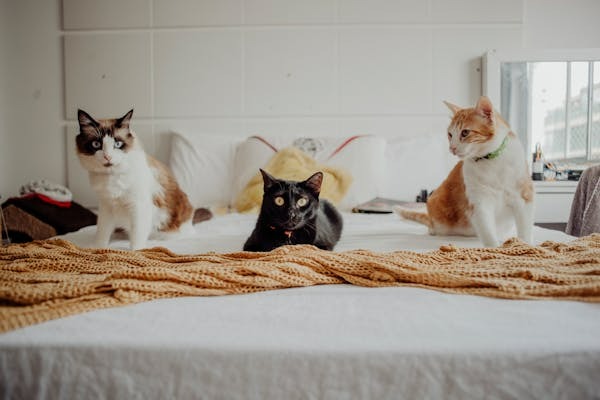
For many pets, affection comes in different forms. Some show love through paw taps or head nudges, while others usually keep to themselves. But even the most aloof animals often become more physically affectionate when they sense their owner is sick, expressing care through extra attention.

Pacing more than normal
Since animals can’t use words, their actions speak volumes. Behaviors like pacing or circling may be subtle signs of stress, often mirroring the tension or anxiety they sense from their owners. These actions can reflect their deep bond and concern.

Cats make excellent recovery tools
Some cats take their caregiving to heart. One Reddit story described how a woman recovering from open heart surgery was comforted by her cat. The feline instinctively lay across her chest, providing gentle pressure that helped ease her pain as she healed.

Dogs can help monitor diabetes
Certain dogs are trained to assist people with severe diabetes. These remarkable pets can detect dangerous shifts in blood sugar levels and warn their owners of diabetic ketoacidosis, offering vital support when it’s needed most.
Cats have a knack for looking after diabetes patients
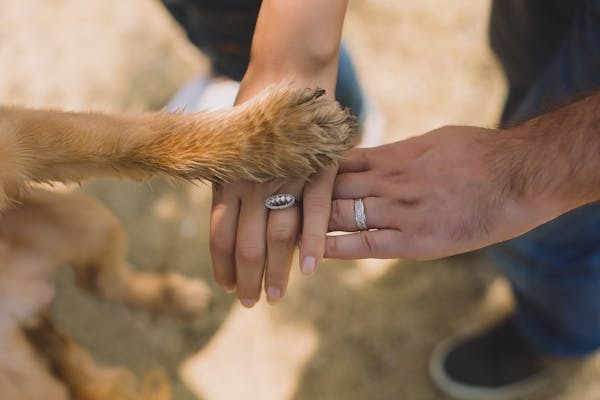
Cats, too, can play a role in managing diabetes. A Buzzfeed community member shared how her uncle’s cat would relentlessly meow until he checked his blood sugar, only settling down once he tested himself—essentially acting as his personal health reminder.

Dogs can smell seizures
Beyond detecting cancer and diabetes, dogs have also demonstrated the ability to sense seizures as they happen. Many people with severe epilepsy rely on specially trained seizure alert dogs, which recognize the signs and give advance warning. This allows the person time to get to safety and prepare for what’s coming.

Your dog might start whining
Dog owners are well aware that whining is a common form of communication, often signaling needs like food, play, or affection. However, when none of those apply, persistent whining might actually be your dog’s way of warning you about an impending illness.

Cats can be trained to call the emergency services
In 2006, a silent 911 call prompted officers to check a residence. There, they discovered Tommy the cat lying beside his owner Gary, who had fallen from his wheelchair. Gary had previously trained Tommy for emergencies like this, and the cat’s loyalty and training proved invaluable.

Your cat or dogs ears might be pulled back
The position of an animal’s ears can offer insight into its emotions. Normally upright when they are content or curious, ears tend to pull back when pets feel uneasy. Both dogs and cats show this sign of concern—especially when something is wrong with their owner.

Ferrets are also great at sniffing out problems
While cats and dogs are the usual stars when it comes to detecting health issues, ferrets also show impressive instincts. One Reddit user shared how her pet ferret helps manage her chronic illness by sniffing her carefully and scratching at areas of inflammation, as if trying to point them out.

They become your shadow
Pets often turn into loyal shadows when they sense illness in their owners. Driven by concern, cats and dogs may stick close and follow you around everywhere. Though it might seem clingy, this behavior reflects deep affection and a desire to keep you safe.

You pet might tilt their head at you
Sometimes pets communicate silently but clearly. They may walk up and tilt their heads as though asking if you’re alright. These head tilts, far from random, often show a genuine sense of worry and attentiveness.

A cat alerted neighbors about her owners distress
Online stories often showcase just how heroic pets can be. In one case, a shy cat sprang into action after its owner collapsed from a medication reaction. The cat raced to a neighbor’s house and tapped on their window until they followed her back and got help.
Please SHARE this with your friends and family.


