


If you’ve had the experience of owning a cat, you’re likely familiar with the mysterious nature they possess.In contrast to dogs, they don’t typically come running towards you with a ball or react to words like “food” or “walkies.”
As a result, it can sometimes prove challenging to discern what our beloved feline companions truly desire or require, whether it’s more treats, a fresh toy, or merely some solitude. That’s why we’ve gathered a collection of top-notch advice to assist you in becoming the ultimate cat companion, even if you’re an experienced cat owner.
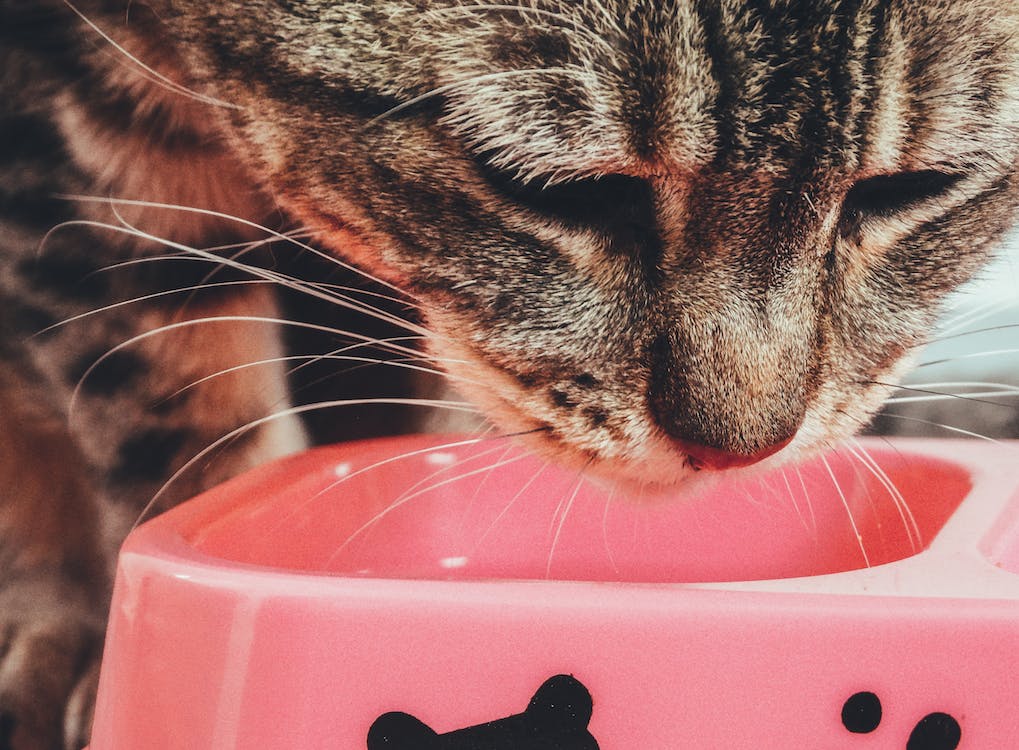
Deep Food Bowls Annoy Cats
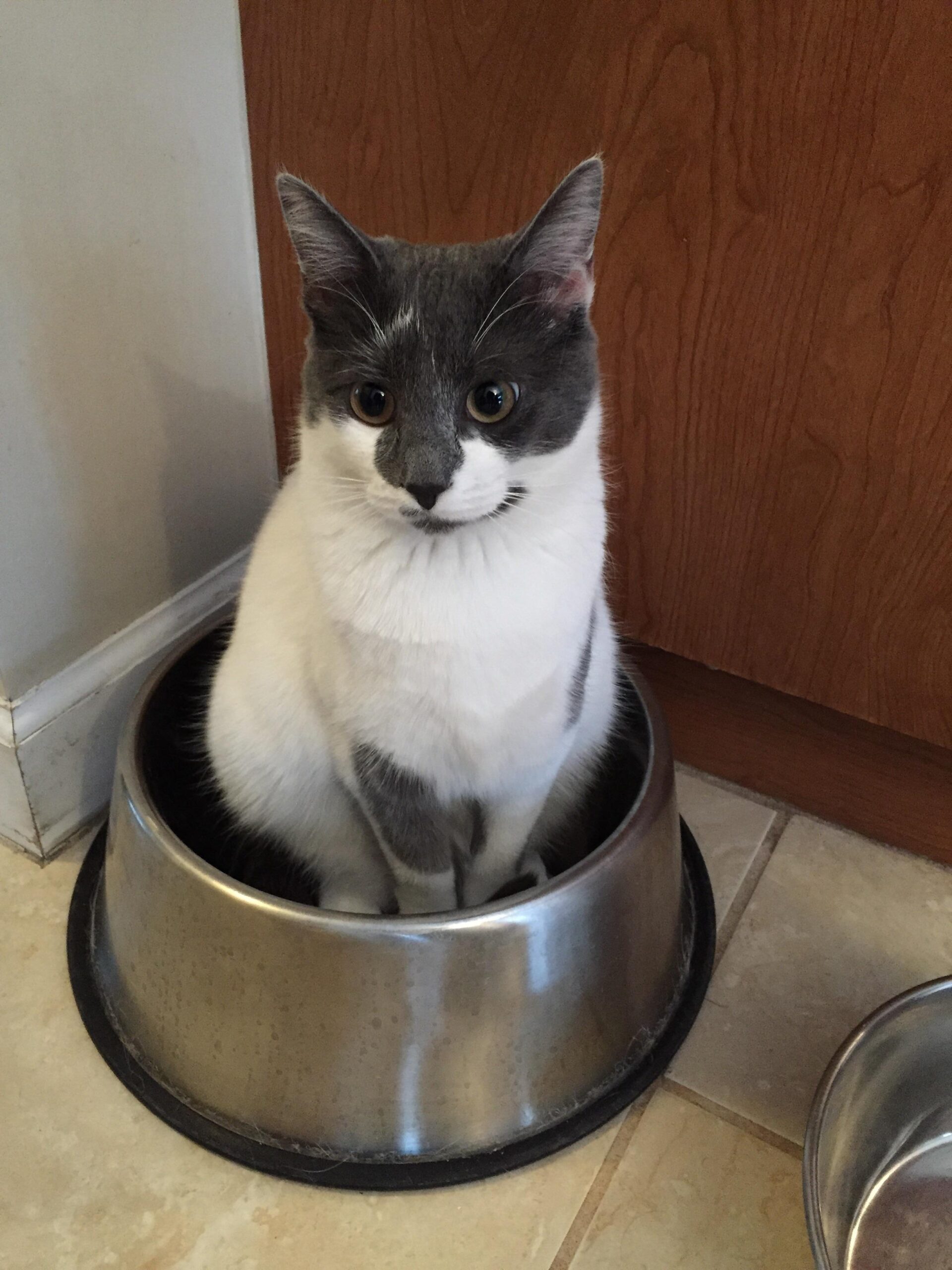
One aspect often overlooked is the depth of your pet’s food bowl, which doesn’t receive much attention during our shopping trips.
However, it turns out that this seemingly insignificant detail should be considered of utmost importance.
Deep food bowls can actually cause considerable discomfort to cats.
Due to their sensitive whiskers, constantly brushing against the sides of a bowl while eating can be quite unpleasant for them.
This sensory overload can lead to stress in your cat.
Therefore, it is advisable to opt for bowls that are relatively shallow when you’re in search of a new one.
Most Cats Don’t Like Belly Rubs
While some cats may allow you to rub their bellies, it’s important to understand that this gesture is often a sign of immense trust.
However, most cats, especially those unfamiliar with you, don’t particularly enjoy belly rubs.
That’s because the belly is one of the most vulnerable areas on their bodies.
Therefore, it is generally advisable to refrain from giving belly rubs to new cats you encounter, at least until they develop a level of trust with you.
It’s essential to clarify that this doesn’t mean cats never enjoy being petted on their bellies, but rather that they are typically more protective of this area compared to other parts of their body.
Avoid Irritating Them With Bell Collars
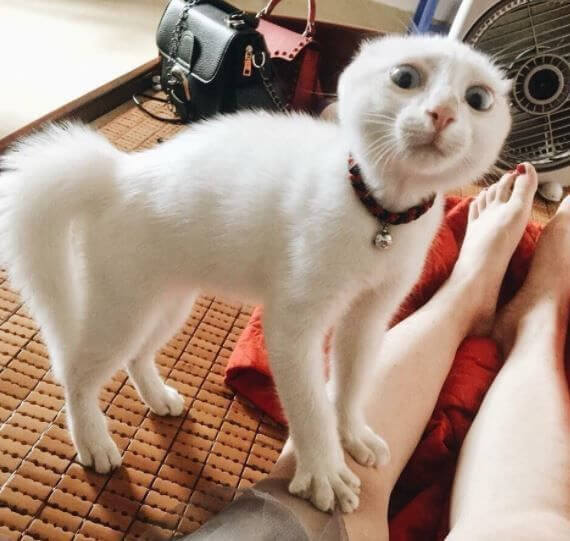
Adding a small bell to your cat’s collar can be a convenient way to keep track of their whereabouts, even when you can’t visually locate them.
Additionally, it can potentially alert other animals, such as birds or mice, to the presence of your cat, potentially helping them avoid becoming prey.
However, it’s important to consider the drawbacks associated with using bells on cat collars.
Cats possess highly sensitive hearing, and the constant jingling of bells can be irritating to them.
Just imagine how you would feel if you had to carry around a bell around your neck all day long.
This is particularly true for cats that are easily frightened or have a more skittish disposition.
Remember That Cats Are Sensitive To The Cold
Despite their fluffy appearance, cats are actually quite sensitive to cold weather.
It’s important to recognize that they may struggle to endure low temperatures.
Consequently, it’s advisable to refrain from leaving them outdoors overnight during the winter months.
Cats typically maintain a body temperature of around 100-102°F, and many veterinarians recommend keeping the temperature inside your home at a minimum of 70°F to ensure that your cat stays comfortably warm.
If you observe your cat seeking warmth by gravitating towards heaters, fireplaces, or attempting to snuggle under blankets, these are indications that they might be feeling chilly.
Keep Your Cat Calm With Lollipops
While cats are generally known for their calm demeanor compared to other pets, there are instances where some cats may be more high-strung.
Fortunately, there are simple techniques to help your feline friend stay relaxed.
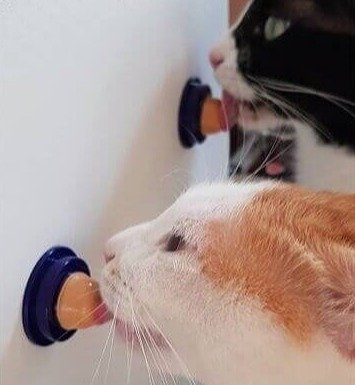
Firstly, consider offering your cat a treat designed to promote a calming effect.
Lollipop treats specifically made for cats can often be found in pet stores, and they can be easily attached to various surfaces like walls.
Another option is to use a spray bottle filled with water.
Spraying a fine mist of water can startle them, prompting them to begin grooming themselves.
This grooming behavior has a soothing effect and can help them calm down.
Shorten Your Cat’s Name To Help Them Better Recognize It
Choosing a name can indeed be a challenging task, whether it’s for your cat or even for your child.
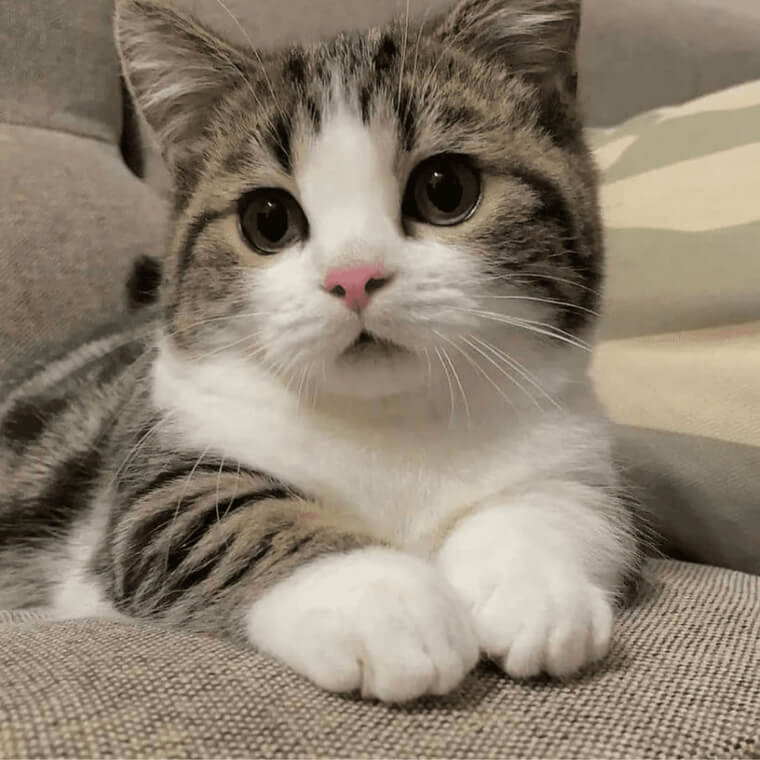
When it comes to naming your cat, it’s generally recommended to opt for names consisting of one or two syllables.
While longer names might initially seem adorable, they can make it more difficult for your cat to recognize that you are calling them.
If your cat already has a lengthy name, such as “Sharp Fluffball Mcscratchee Nails,” you can simplify it by selecting a shorter nickname like “Fluffball” or “Nails.”
Cats are more likely to respond to shorter names that are easier for them to recognize and associate with themselves.
Keep Your Cat’s Diet Balanced by Alternating Wet and Dry Food
While many pet owners tend to stick to a single type of food, such as dry food, for their cats or dogs, it may not always be the best approach for their overall health.
It is generally recommended to introduce variety into your pet’s diet to ensure they receive a well-rounded nutritional intake.
One way to achieve this is by periodically mixing up their food choices.
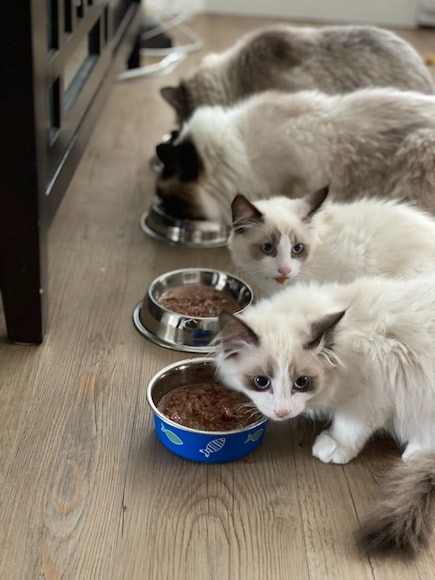
For instance, you can alternate between feeding your pet dry food for part of the week and wet food for the remaining days.
This approach can help ensure that your pet receives a wider range of nutrients necessary for their well-being.
Dry food typically contains higher levels of carbohydrates and lacks sufficient moisture content, which can potentially strain a cat’s kidneys over time.
By incorporating a variety of food types, you can strike a balance and provide your pet with a more diverse and nutritionally complete diet.
Keep Your Cat Happy By Giving It A Brush
Teaching your cat to brush themselves may initially seem like a challenging task due to their lack of thumbs, but it can be surprisingly simple.
Cats are already natural groomers, and by attaching a cat brush to a wall, you can encourage them to rub against it and engage in self-grooming.
This not only helps keep them occupied when they’re bored but also contributes to their overall happiness.
Watching your cat use a tiny comb to brush themselves can indeed be incredibly adorable, providing an additional bonus of enjoyment for you as the observer.
However, the primary objective is to promote your cat’s well-being and contentment.
By providing them with a designated area and a brush they can rub against, you offer them a satisfying and stimulating grooming experience.
Buy A Scratching Post, And Learn How To Repair It
Cats have a natural instinct to scratch, which often leads them to target couches and pillows, causing damage.
Investing in a scratching post early on is highly recommended to redirect this behavior in a more productive manner.
A scratching post provides your feline friend with an appropriate outlet to satisfy their scratching urges.
When your scratching post shows signs of wear and tear, you can consider repairing it by wrapping it with yarn or twine.
This helps restore the texture similar to that of a new scratching post, enticing your cat to continue using it rather than resorting to your furniture.
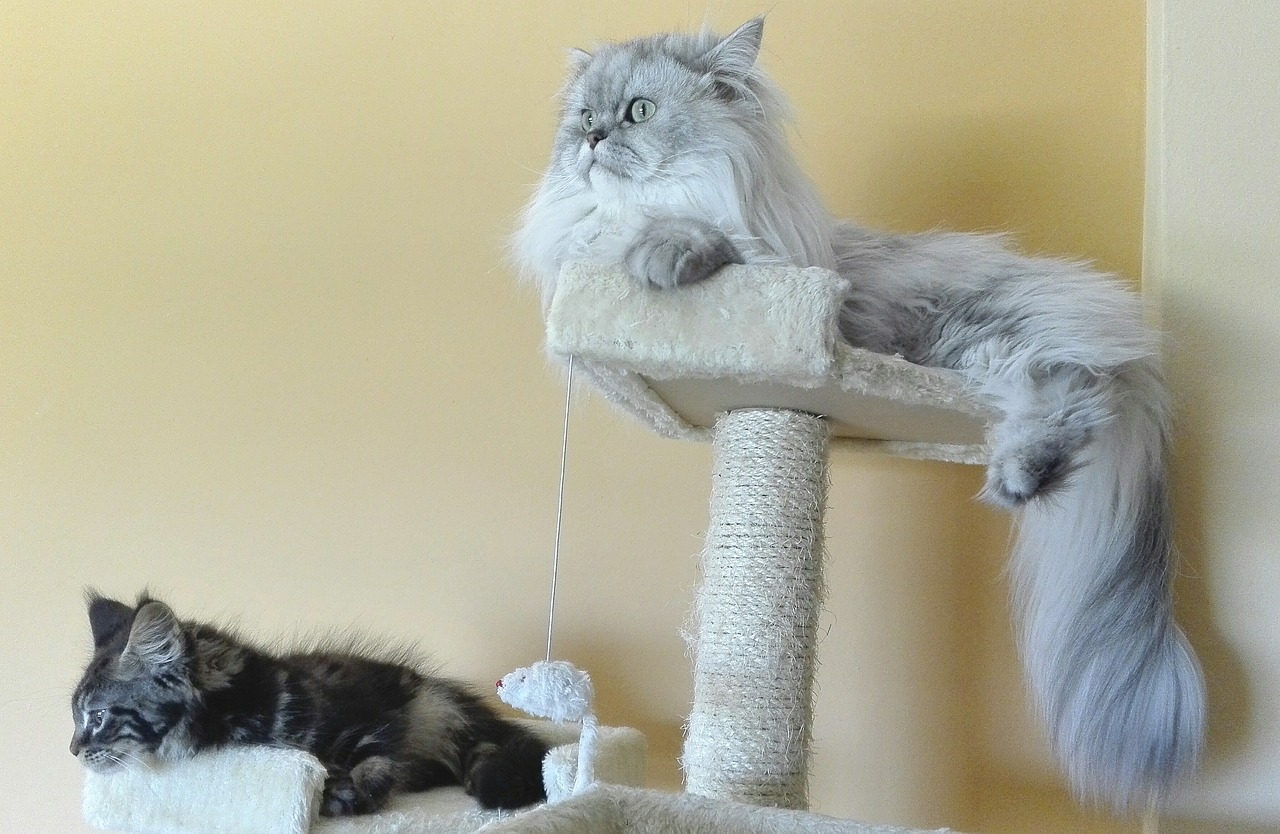
Be Careful When Blowing In Your Cats Face
While it is true that some cats may find it calming when you blow in their face, it’s important to note that individual preferences can vary.
While this action might have a soothing effect on certain cats, it can have the opposite effect on others.
If you decide to blow into your cat’s face, exercise caution to avoid any negative reactions.
Some cats may interpret blowing in their face as an annoyance or even perceive it as an act of aggression.
It’s crucial to be attentive to your cat’s body language and responses.
If your cat shows signs of discomfort, stress, or exhibits defensive behavior such as clawing or biting, it’s best to discontinue blowing air in their face.

Reward Your Cat To Keep Them Interested In Lasers
While rewarding dogs for completing tasks is a common practice, some cat owners may overlook the idea of rewarding their feline companions.
However, rewarding your cat can be a valuable approach to reinforce positive behaviors.
This is particularly true when engaging in play sessions with a laser pointer.
Cats have a natural instinct to chase and hunt prey, and using a laser pointer can mimic this behavior.
However, if they continuously chase the laser without any tangible reward, it can lead to frustration or dissatisfaction.
To avoid frustration, reward your cat after laser pointer play. Offer treats, switch to another toy, or give them affection.
This positive association keeps your cat engaged and satisfied during playtime.
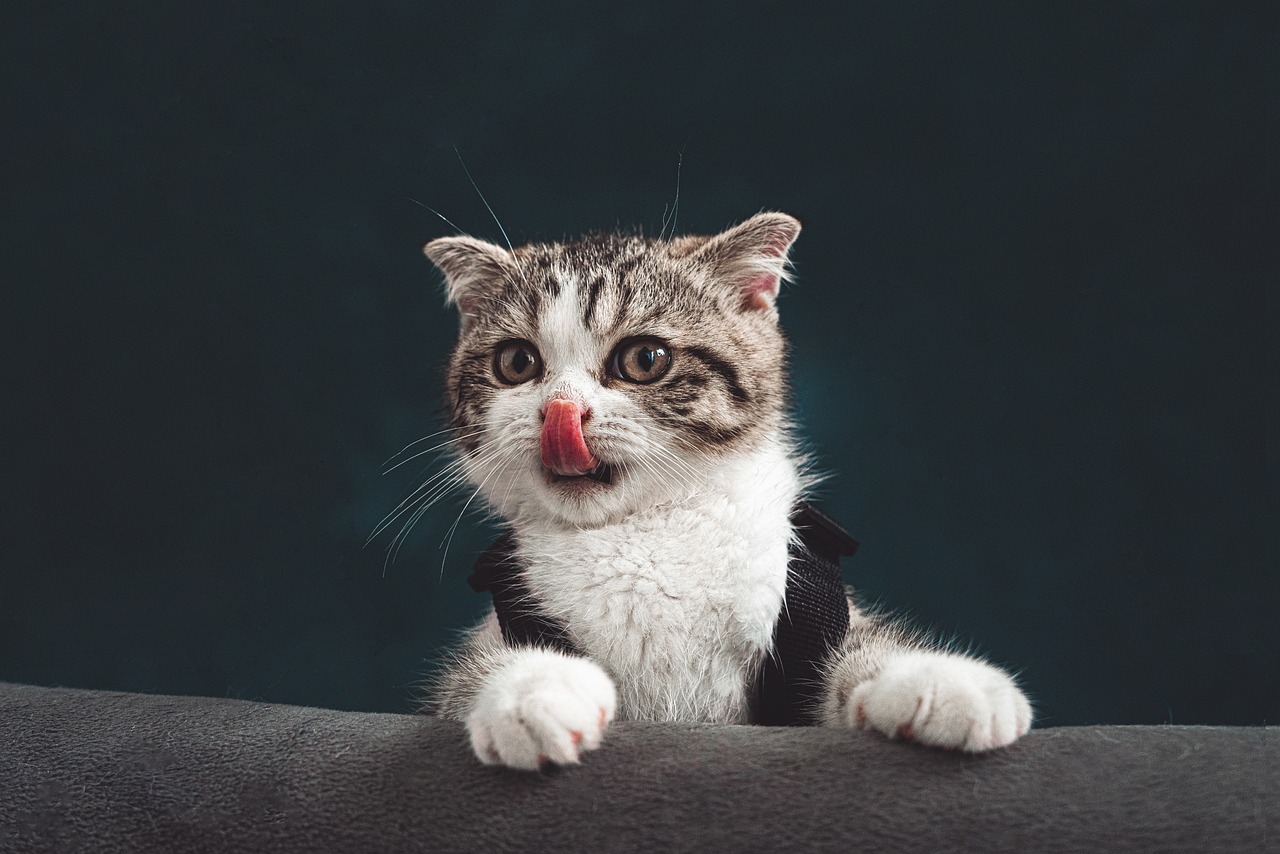
Feed Them On Schedule To Reduce Anxiety
Cats, like any other animal, appreciate routine and predictability.
It’s important to stick to a consistent feeding schedule for your cat.
When their feeding time is missed, they can become anxious and restless.
By establishing a regular feeding routine, your cat will feel more relaxed and less likely to exhibit anxious behavior, particularly when it comes to mealtime.
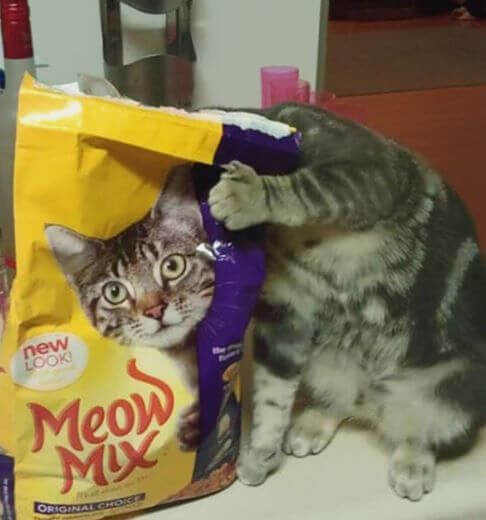
Encourage Your Cat To Use Their Litter Box
While most cats easily adapt to using a litter box, some may find it inconvenient or uncomfortable.
To address this, you can make the litter box more appealing for your cat.
One approach is to add a layer of fabric or sand to create a softer surface for them to step on.
If you don’t have fabric or sand available, you can also try using shredded paper, although it may be less comfortable compared to the other options.
Experimenting with different textures can help make the litter box more inviting and encourage your cat to use it consistently.
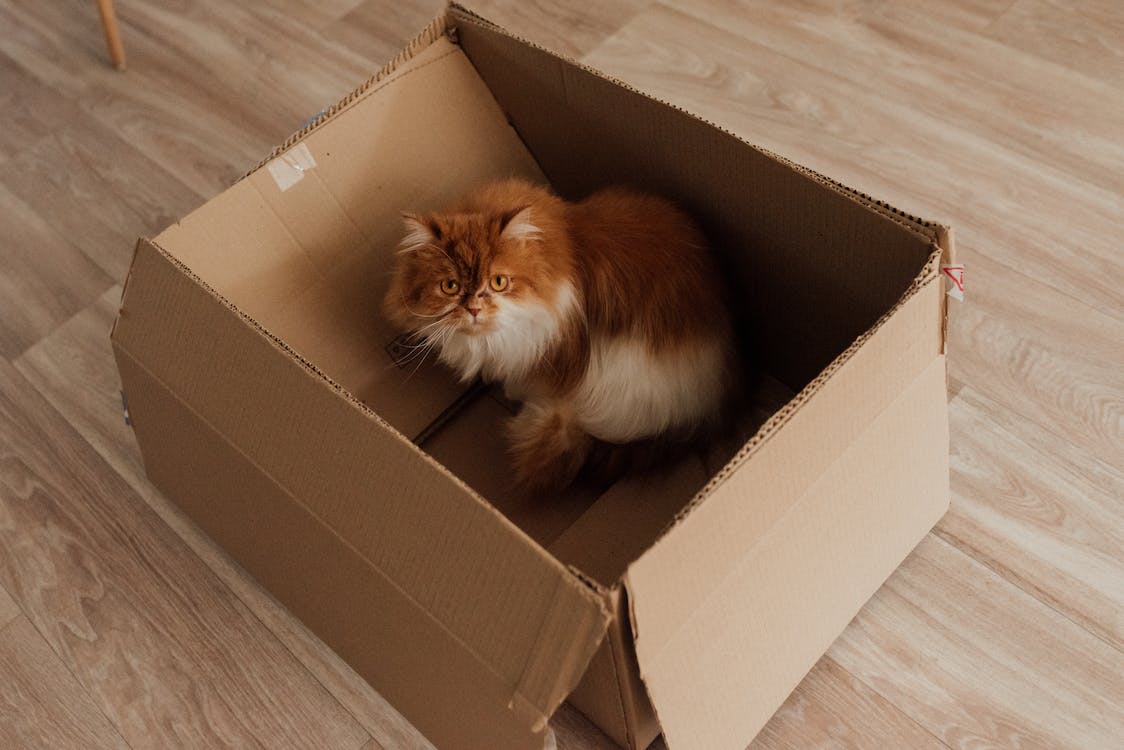
Climbing Space Is Essential
If space is limited in your home, providing your cat with additional room to move around is beneficial.
Consider constructing shelves and staircases to create vertical spaces where your cat can roam and stretch their legs.
These structures not only give them more room to explore but also provide opportunities for climbing and play, helping them expend energy.
While pet stores offer prebuilt towers and shelves for cats, building your own is a feasible option.
Many online resources provide directions and guides for DIY cat structures, making it a manageable project.
By maximizing vertical space, you can enhance your cat’s environment and promote their physical and mental well-being.
Deter Your Cat From Destroying Plants
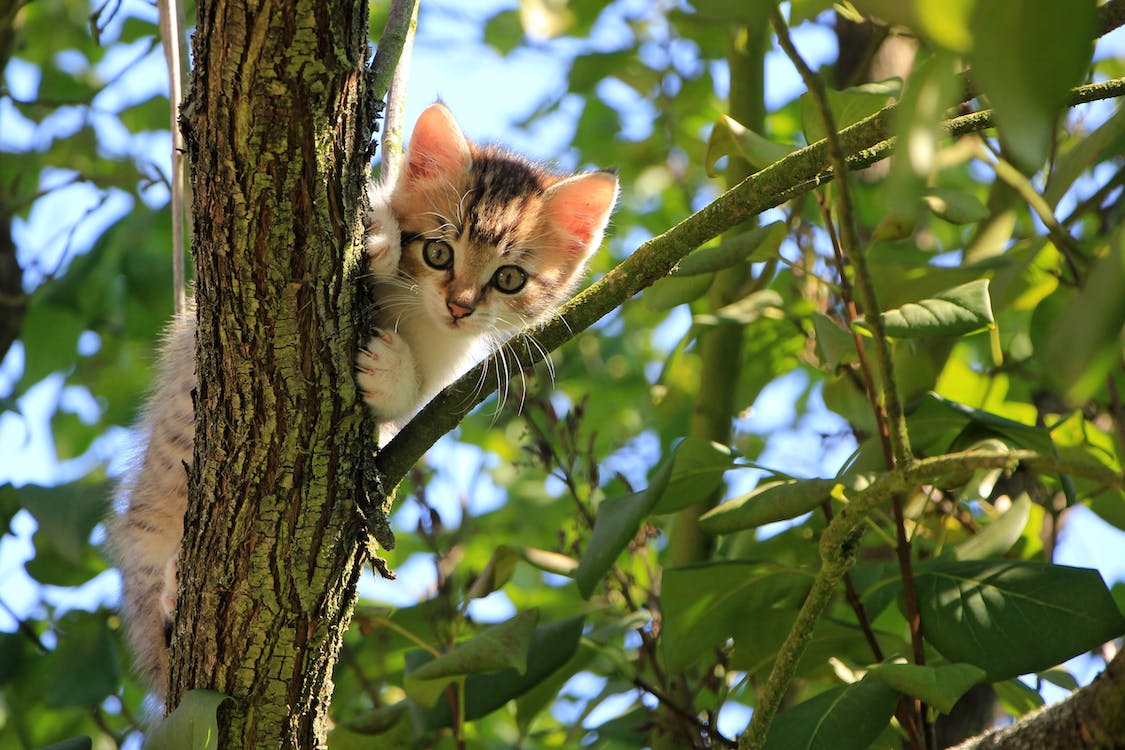
If you have houseplants and your cat tends to damage the leaves or dig in the soil, there are ways to discourage this behavior.
Adding certain plant materials like dried leaves, flowers, or pine cones to the pots can help deter cats as they dislike the texture.
Another option is placing marbles in the pots.
Experiment with different deterrents to find what works best for your cat.
It’s important to find a solution that effectively keeps your cat away from the plants without causing harm to them or the plants themselves.
Get Your Cat A Box To Keep Them Off Keyboards
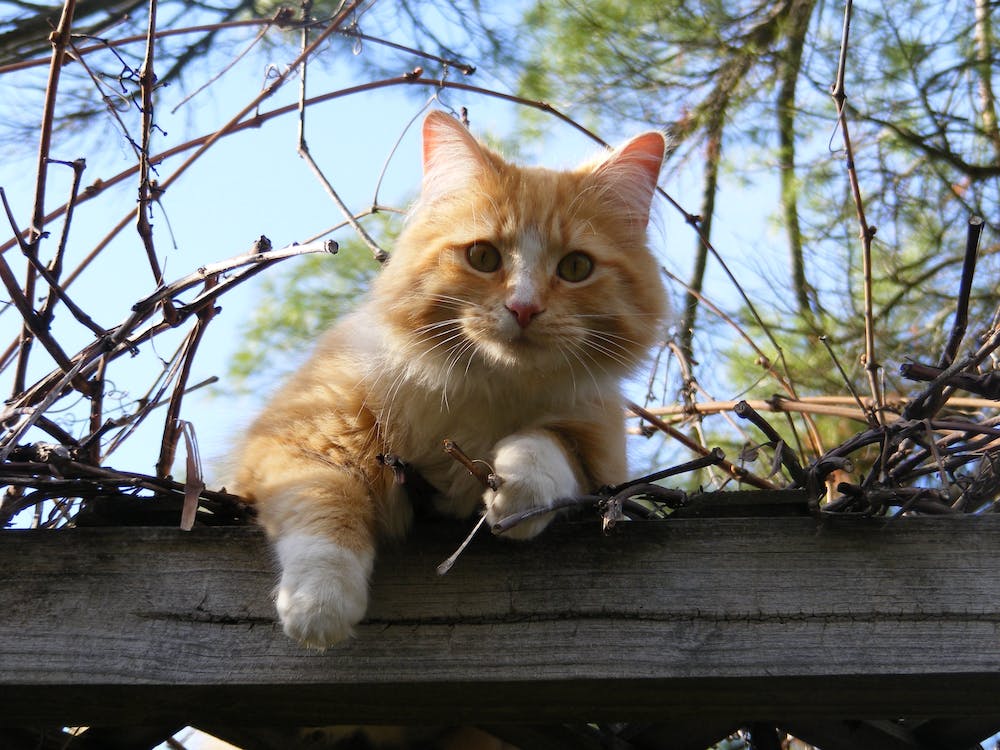
If you have a cat and work from home, you’re likely familiar with the challenge of keeping them away from your laptop.
Fortunately, there’s a simple trick to redirect their attention and keep them off your keyboard.
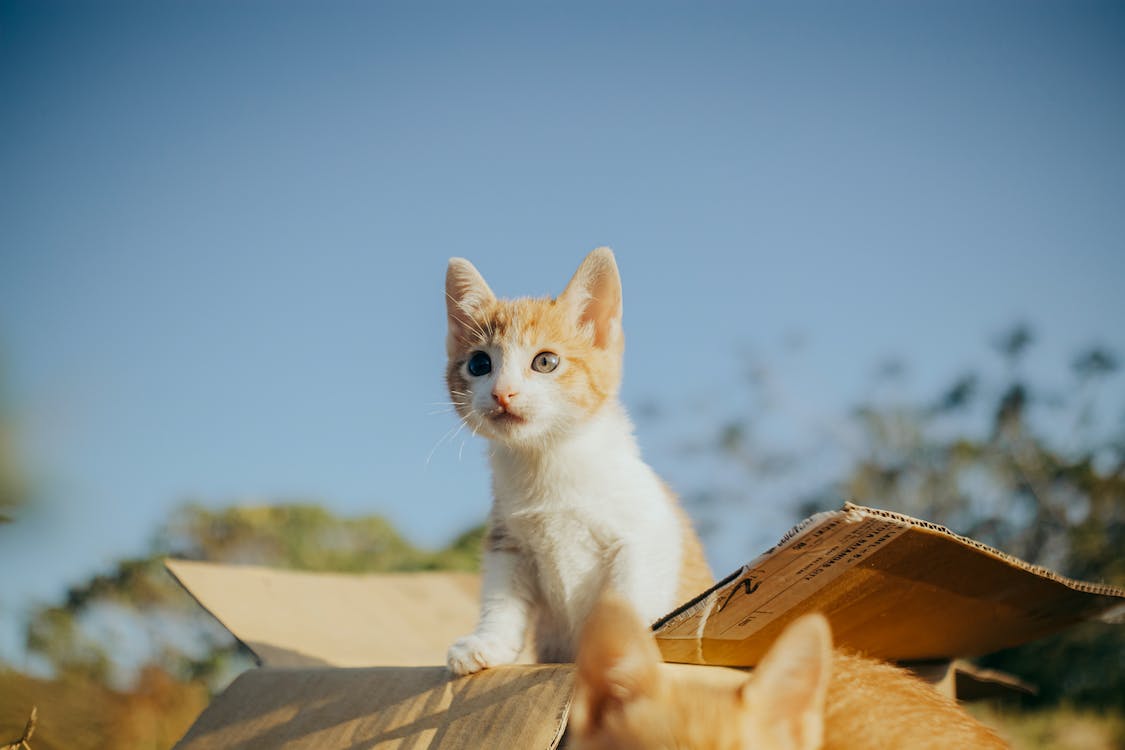
Find a box that fits on your desk and place it there.
Cats have a natural affinity for boxes, and the box might prove more appealing to them than your laptop, providing them with a cozy and enticing spot to relax.
What to Do if Your Cats Show Aggression Towards Each Other
Maintaining a harmonious environment for multiple cats requires providing adequate space for each of them to roam and play independently.
This helps prevent territorial conflicts and fights.
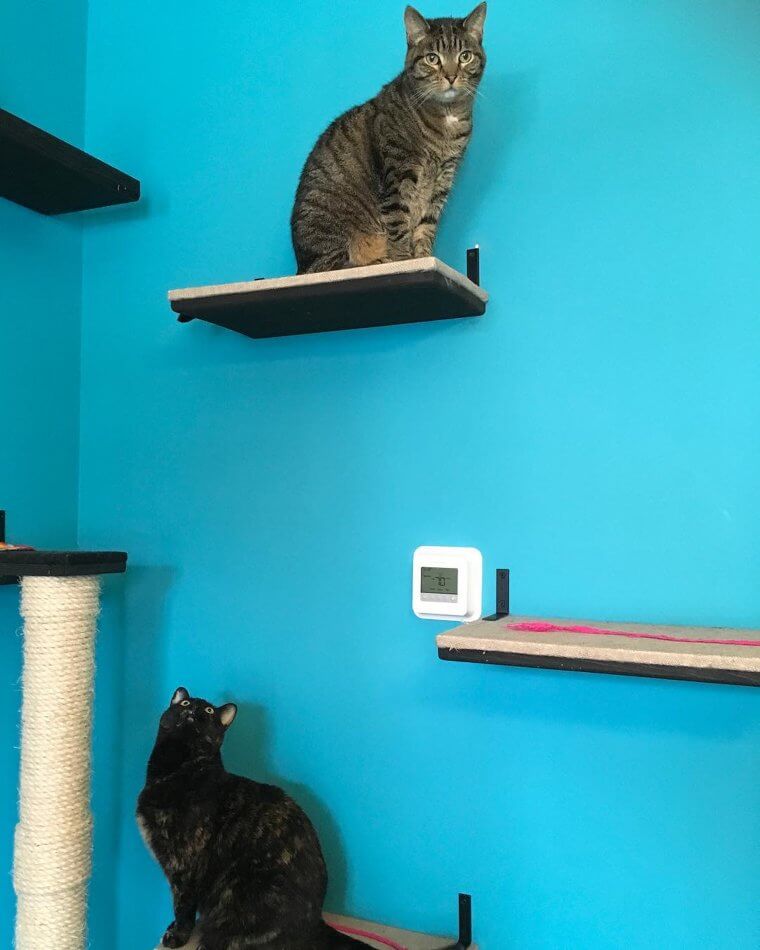
One effective solution is to build shelves or create vertical spaces where each cat can have their own designated area.
These shelves allow cats to retreat to a higher vantage point where they can relax and observe their surroundings.
If another cat attempts to intrude, the cat on the shelf can easily push them away.
This setup promotes a sense of personal space and can help prevent tensions among the cats in your home.
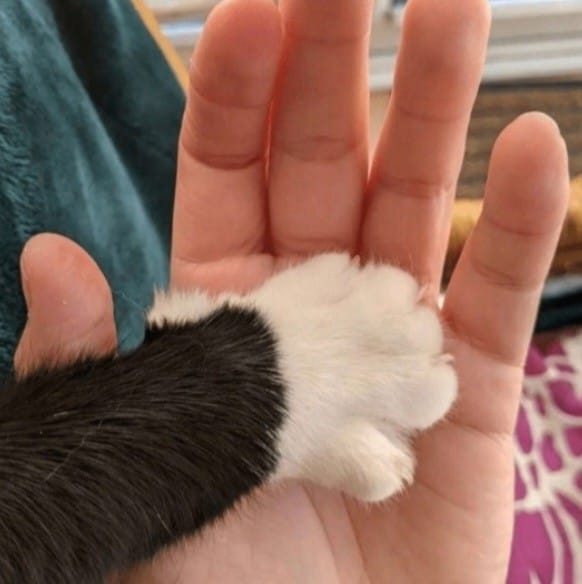
Touch Their Paws Frequently To Make Trimming Easier
Getting cats accustomed to having their paws touched can be helpful when it comes to tasks like trimming their claws.
The key is to make it a positive and gradual process. Try gently touching or holding their paws in a non-threatening manner whenever possible.
It’s important not to force or irritate them, but rather make it a regular and gentle interaction.
By associating paw touching with a positive experience, such as a game or gentle play, you can help cats become more relaxed and comfortable with having their paws handled.
Over time, they may even become more willing to cuddle and allow you to trim their claws without much resistance.
Switch Up When It Comes To Meals
Just like humans, cats can get bored with eating the same food every day, and a lack of variety may lead to nutritional deficiencies or picky eating habits.
Introducing different brands, flavors, or textures of cat food can help prevent monotony and ensure they receive a balanced diet.
You don’t need to prepare elaborate meals for your cat, but simply offering different options within their regular cat food selection can make a difference.
Experimenting with various flavors or alternating between wet and dry food can keep mealtime interesting for your cat.
However, it’s crucial to make dietary changes gradually to avoid upsetting their digestive system.
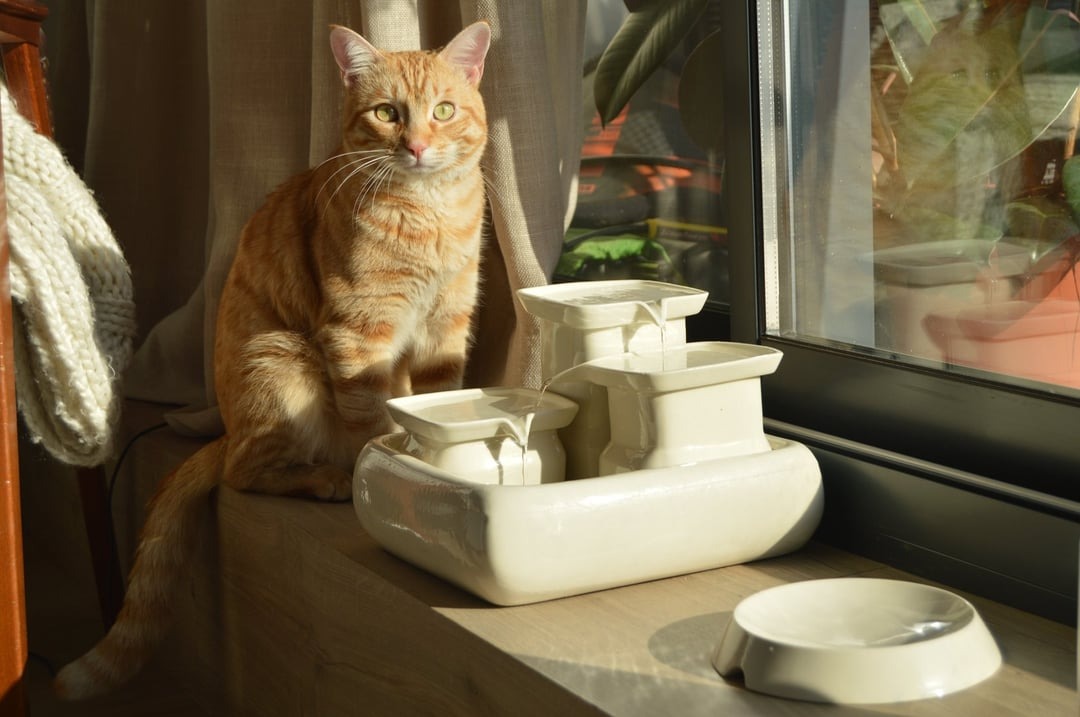
Give Your Cat A Water Fountain Instead Of Stagnant Water
It’s true that many cats are attracted to running water and may prefer it over stagnant water.
Providing a cat fountain can be a great way to encourage your cat to drink more water and keep them hydrated.
Cat fountains are specifically designed to circulate and filter the water, which helps to maintain its freshness and cleanliness.
A cat fountain offers the benefits of running water without the need for an elaborate setup.
It can be a small, self-contained unit that can be easily placed indoors.
The flowing water can attract your cat’s attention and entice them to drink more frequently.
Additionally, the continuous movement of water in the fountain helps to oxygenate the water, enhancing its taste and freshness.
Please SHARE this with your friends and family.


