


Decluttering your home not only creates a more organized environment but also instills a sense of peace. Here’s a straightforward guide to help you determine which items might be better off thrown away.
Old towels

When your towels have seen better days—becoming discolored, frayed, or just worn out—it’s time to let them go. Instead of cluttering up your space, donate them to animal shelters, where they can serve a new and useful purpose.
Unmatched socks
If you’ve accumulated single socks without their pairs, it’s unlikely you’ll find their matches. Clear out these loners by tossing them, or get creative and repurpose them into crafts like sock puppets, or use them for stuffing in toys.

Cds and DVDs
With digital streaming dominating, DVDs and CDs may no longer be of use. If yours are just collecting dust, consider donating them or selling them online—some sites even offer cash for old CDs.

Old knives
If you’re using the first set of knives you ever purchased, they might not be the best quality. Cheap knives tend to dull quickly and can be dangerous. Consider upgrading to a higher-quality set to ensure safety and efficiency in your kitchen.

Expired spices
Spices do expire. They won’t make you sick, but they lose potency and flavor over time. Clean out your spice rack, discard any stale spices, and make room for fresh replacements.

Old razors
Old razors that have been left in moist environments like a bathtub edge are likely to rust, posing a safety risk. Dispose of old disposable razors regularly to prevent rust and ensure a safe, clean shave.

Old bedsheets and pillows
If your bedsheets are showing signs of wear such as fading, thinning, or discoloration, it’s time for an upgrade. Old bedding can contribute to skin irritation and poor sleep quality, so consider investing in new sheets.

Plastic grocery bags
The collection of plastic grocery bags stuffed in a drawer or cabinet can get out of control. Recycle these at a proper facility and switch to reusable shopping bags to reduce clutter and help the environment.

Food containers without lids
If you have food containers missing their lids or that are warped, they’re not doing much good for your storage needs. Clear out these ineffective containers to streamline your kitchen storage.

Chipped mugs
Chipped mugs are not only unsightly but can also be unsanitary as they may harbor bacteria. Dispose of any damaged ceramicware and replace them with new, intact pieces.

Clothes that don’t fit
Don’t hang onto clothes that don’t fit. Whether they’re too large, too small, or just out of style, consider donating or selling them to clear out your closet and make room for items that fit well and make you feel good.

Loofahs
Loofahs are notorious for harboring bacteria due to their damp and warm environment. Replace them regularly, and consider switching to a natural, biodegradable loofah for an eco-friendly option.

One time use appliances
If novelty kitchen appliances like that heart-shaped waffle maker are collecting dust, it might be time to pass them on. Sell or donate these rarely used items to declutter your kitchen.

Old electronic cords
Old phone chargers and cables that no longer fit your devices are just taking up space. With tech evolving so quickly, outdated cables can be recycled or disposed of to tidy up your drawers.

Glasses with an outdated prescription
Old prescription glasses are unlikely to be of use if your prescription has changed. Consider recycling them through programs offered by optometrists or eyewear stores instead of letting them clutter your space.

Old sunscreen
Sunscreen loses its effectiveness after being open for a while. Discard any old or expired sunscreen to ensure you’re protected when you need it.

Old receipts
Keeping old grocery receipts is rarely necessary unless they’re needed for returns or tax purposes. Minimize paper clutter by discarding these receipts unless they serve a specific, immediate purpose.

Plastic cutlery
Accumulating plastic utensils from takeout or casual dining might seem like saving, but if you have adequate cutlery, these can quickly become clutter. Recycle them appropriately and avoid collecting more in the future.

Old condiment packets
We often accumulate more condiments than we need from fast food trips. If your kitchen drawers or fridge doors are filled with unused packets, it’s time to either throw them out or take them to work for others to use.

Baby stuff
It’s time to declutter sentimental items. Keep a few cherished mementos and consider donating or selling the rest. Baby items are particularly sought after, as they can be costly to purchase new. Look for Facebook groups or charities that accept these items.

Promotional/charity t-shirts
If your closet is overflowing with novelty t-shirts from events or travels that you never wear, consider donating them. This not only frees up space but also puts the shirts to good use elsewhere.

Old makeup
Makeup products do expire. Old makeup, especially eye and lip products, can harbor bacteria. Check the expiration dates on your cosmetics and discard any that are past their prime to maintain healthy skin.

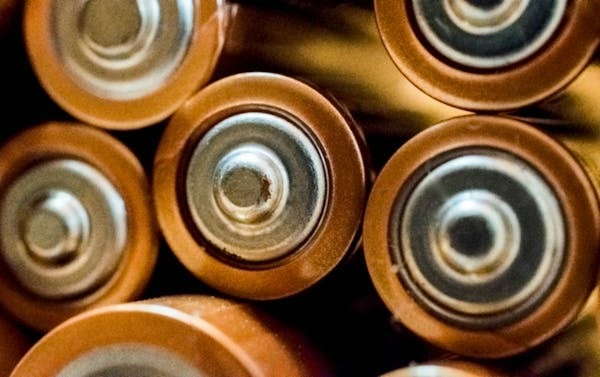
Dead batteries
Don’t let dead batteries clutter your drawers. Dispose of them as soon as they run out to avoid confusion and keep your storage tidy.
Painful shoes
If you have shoes that you love but never wear, consider selling or donating them. This way, you can use the space and money for footwear that you will actually use.

Old bras
Old bras that don’t fit or are worn out should be thrown away. If they are still in good condition, consider donating them to a women’s shelter.

Old mattresses
A comfortable mattress is crucial for a good night’s sleep. If your mattress is causing discomfort or pain, it’s time to replace it despite the cost.

Old phones
Old mobile phones, especially those that are unlikely to be used again, should be recycled. Holding onto them out of sentimentality or for emergencies when they might not even work is unnecessary.

Travel toiletries
Single-use beauty items can clutter your bathroom. Consider investing in a reusable travel kit that you can fill with your favorite products instead.

Unused kitchen tools
Kitchen gadgets like spiralizers or egg poachers that are rarely used should be donated to free up space. If you don’t regularly use them, let someone else give them a second life.

Instruction manuals
Instruction manuals for appliances you already know how to operate are unnecessary. Dispose of these to reduce paper clutter in your home.
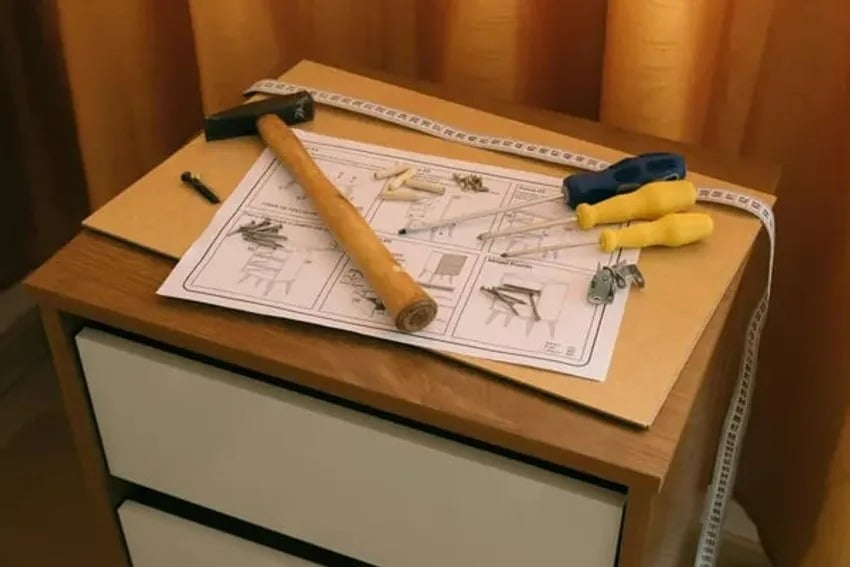
Dead plants
Dead plants can attract pests and mold. Dispose of them to keep your home clean and healthy.

Broken / unused jewelry
If you have jewelry that you no longer wear and isn’t a family heirloom, consider selling or donating it. There’s no use keeping items that don’t add value to your life.

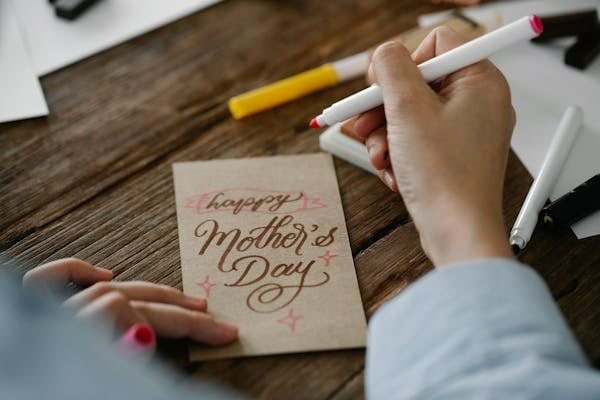
Greeting cards
Instead of keeping every greeting card, save only those with sentimental value. Recycle the rest, or use them in craft projects to minimize clutter.
Old stationary
Discard pens that no longer work. Keep a bin in your office for broken writing instruments to maintain an organized and functional workspace.

Expired pantry foods
Check your pantry for expired or stale foods. Products like flour and cereal can go bad and potentially attract pests.

Excessive paperwork
Sort through piles of paper clutter in your home, including old bills and documents. Regularly managing these can dramatically improve your space’s organization.

Old magazines
Unless they are collectibles, magazines should be recycled. Keep only those that you truly cherish and consider digitizing articles or features that are important.

Last year’s calendar
Old calendars should be disposed of, especially if you have not transferred important dates yet. Use digital tools for keeping track of important dates for more efficiency.

Old prescriptions
Expired medications should never be used. Dispose of them safely to prevent health risks and free up space in your medicine cabinet.

Old freezer food
Manage your freezer inventory. Remember that even frozen food has a shelf life. Regularly check and consume or discard items to ensure quality and safety.

Please SHARE this with your friends and family.


