


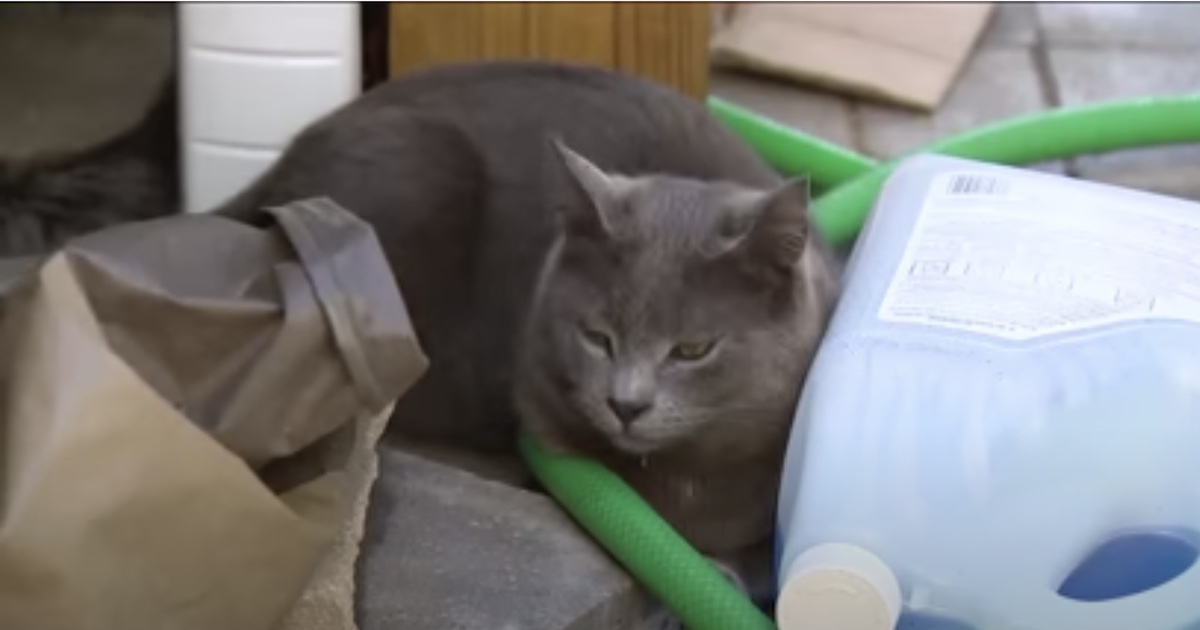
The city of Chicago has a big problem: rats.
The city is overrun with rats that carry diseases that spread to people and they also destroy properties, buildings, and possessions.
These rats also carry ticks, mites, and fleas that carry other diseases.
You can seal up holes and gaps in your home or property, secure your belongings, plus food and water sources. They can still sneak through though.
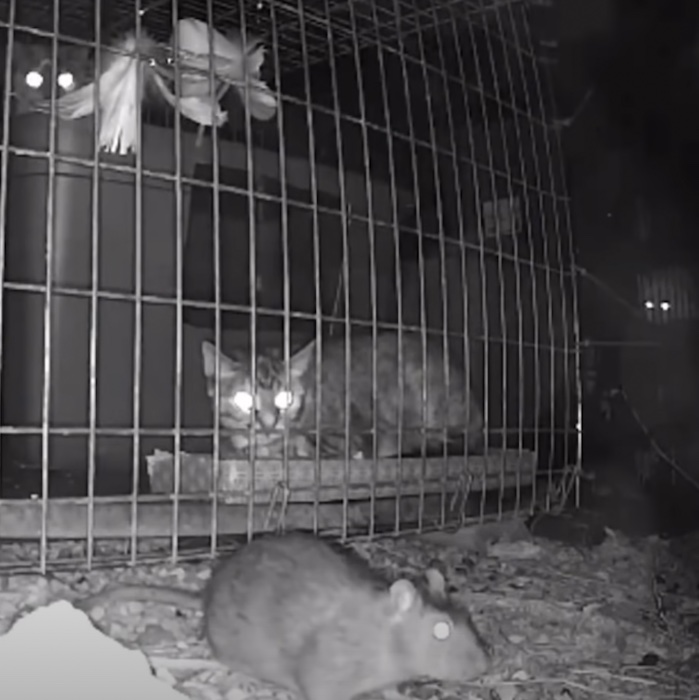
The Tree House Humane Society discovered a solution.
Amazingly, it actually works.
Introducing the Cats at Work program where TNR rescue feral cats work to drive away the rats.
The feral cats drive away the rats through their scent and they have been doing this in Chicago since 2012.
These cats are called feral cats because they live outdoors and survive using their hunting instincts.
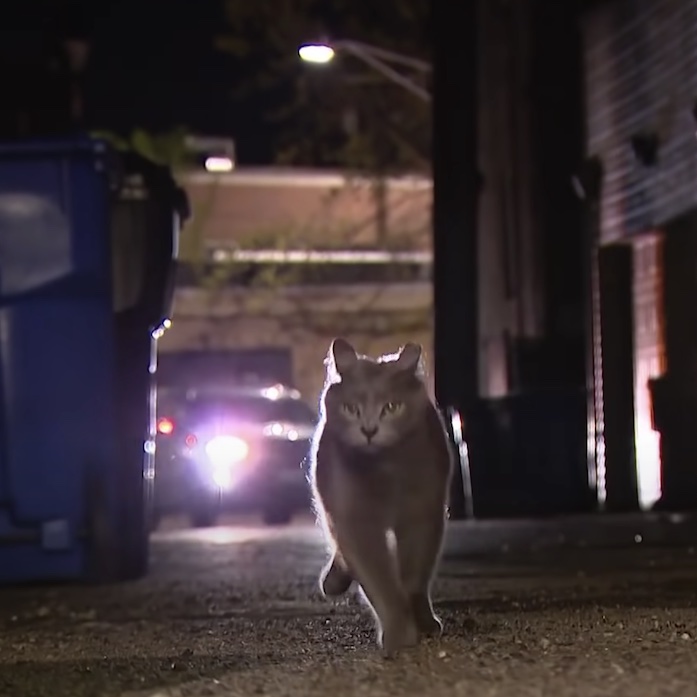
They cannot be placed for adoption.
This is because they shy away from humans. These feral cats were rescued using the TNR (trap-neuter-rescue) program and are placed in a new location near a colony caretaker.
These are Cats at Work colonies, where the caretakers provide them with food, water, and shelter as needed.
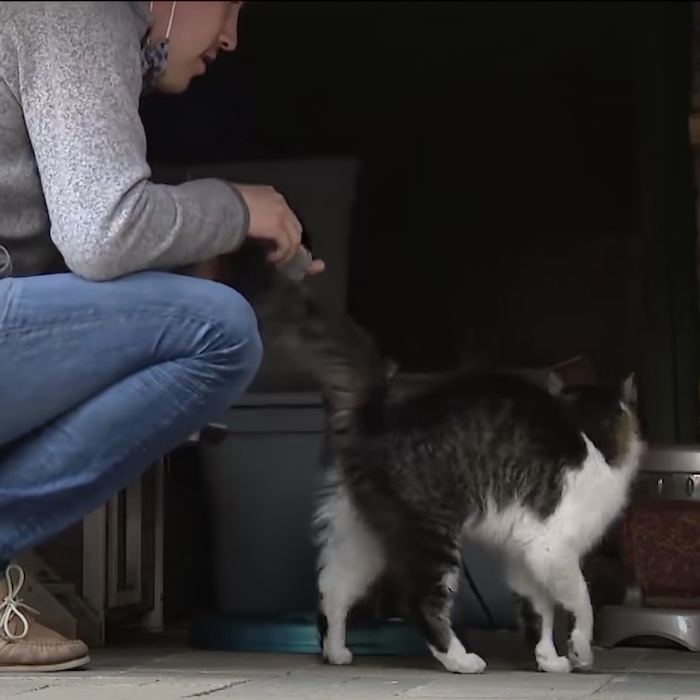
Before they are placed in these colonies, the cats have already been spayed or neutered to prevent cat overpopulation.
They’ve also been vaccinated.
This ensures that they’ll be protected from diseases they can get from outdoors.
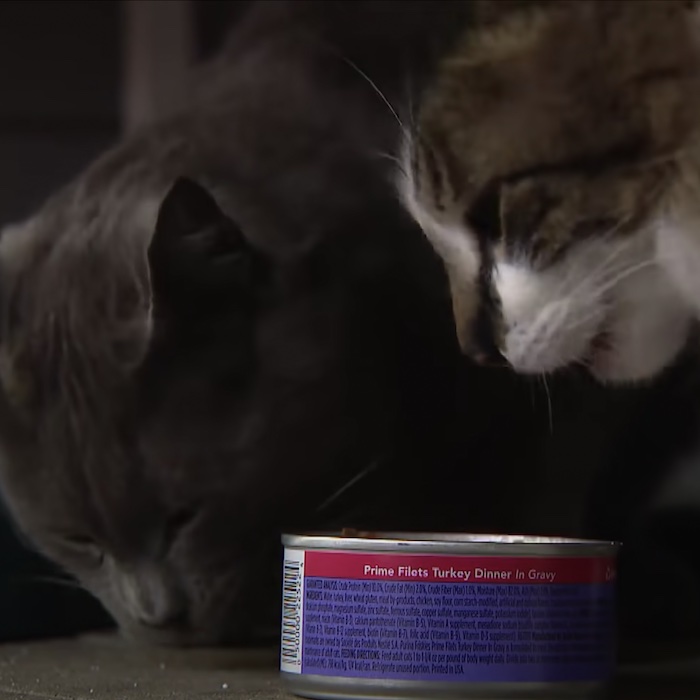
Technically, the cats don’t eat the rats.
At first, when they’re in a new location, they might end up killing a few rats. Once they’ve adjusted to the new area, they don’t end up eating or killing any rats.
What happens is that the scent of the cats deters rats from coming to their area. The cats release oil from their fur and mark the area as their territory.
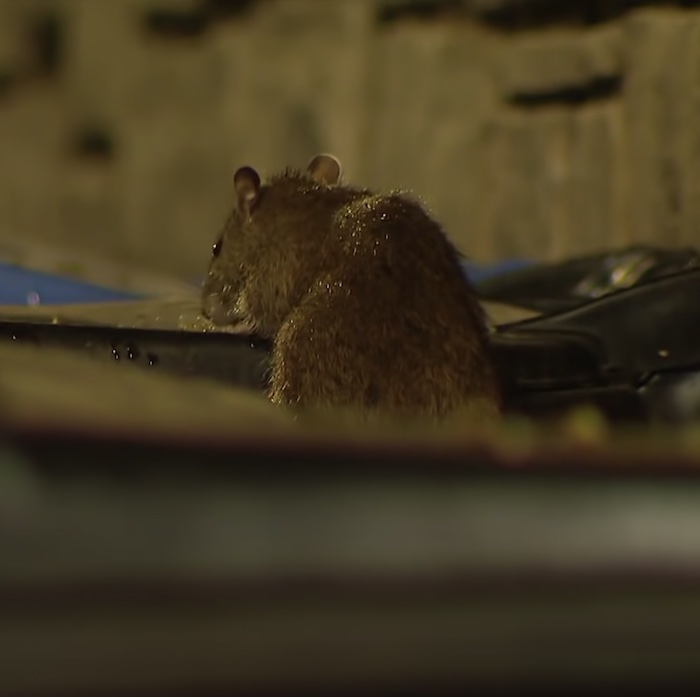
It’s one and done.
Once the area is marked, this becomes a red flag for rodents and they stay away from the area.
Some are concerned that these cats might kill birds in the area, too. Fortunately, that is not the case.
Cats hunt for sport but because a caretaker provides for them, these cats don’t need to look elsewhere for food.
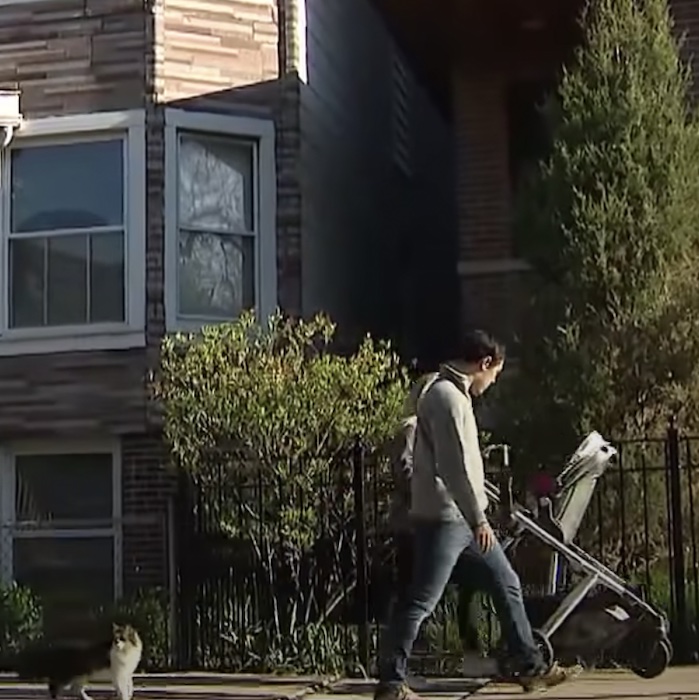
Plus, since they live at Cats at Work colonies, any medical needs are noticed immediately and they can be taken to the vet for medical assistance.
There are now hundreds of Cats at Work Colonies in Chicago, which has really helped the rodent problem, one street at a time, one building at a time.
Each colony has around 2 to 3 cats.
But overall, the Tree House Human Society has placed over 1000 cats in these colonies to help with the rodent problem.
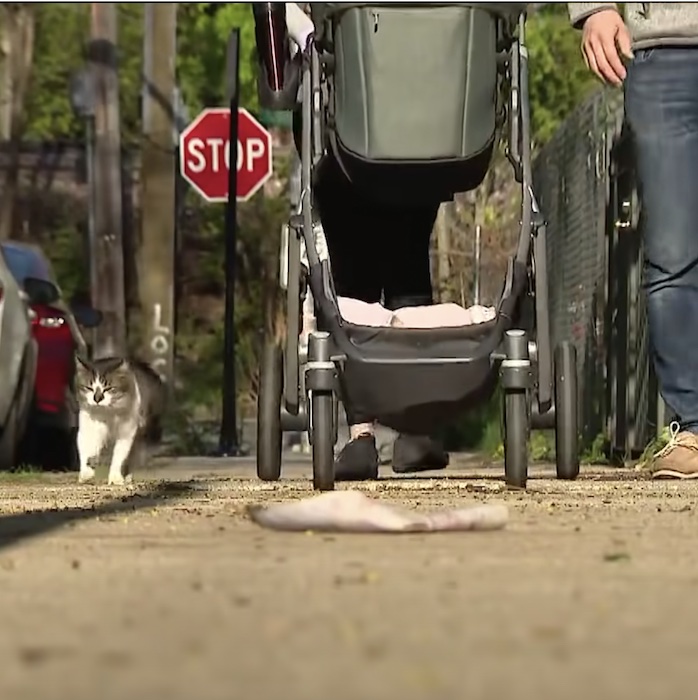
The colonies are not like the usual traditional way of adoption. It can be considered a community adoption because the caretakers encourage the community to help out as well.
They are encouraged to help with the feeding schedule, especially if the original caretakers need to be away for some time.
Or they’re encouraged to help out with monetary donations for food, water, and medical care.
Basically, they just help with the basics.
Learn more about how Chicago is using cat nature to tackle its issues in the video below!
Please SHARE this with your friends and family.


