Cats’ quirky behaviors never cease to amaze. From knocking objects off shelves to their love-hate relationship with water, these feline antics keep us entertained. Let’s delve into some of the strange habits that make cats such fascinating companions.
Nail biting
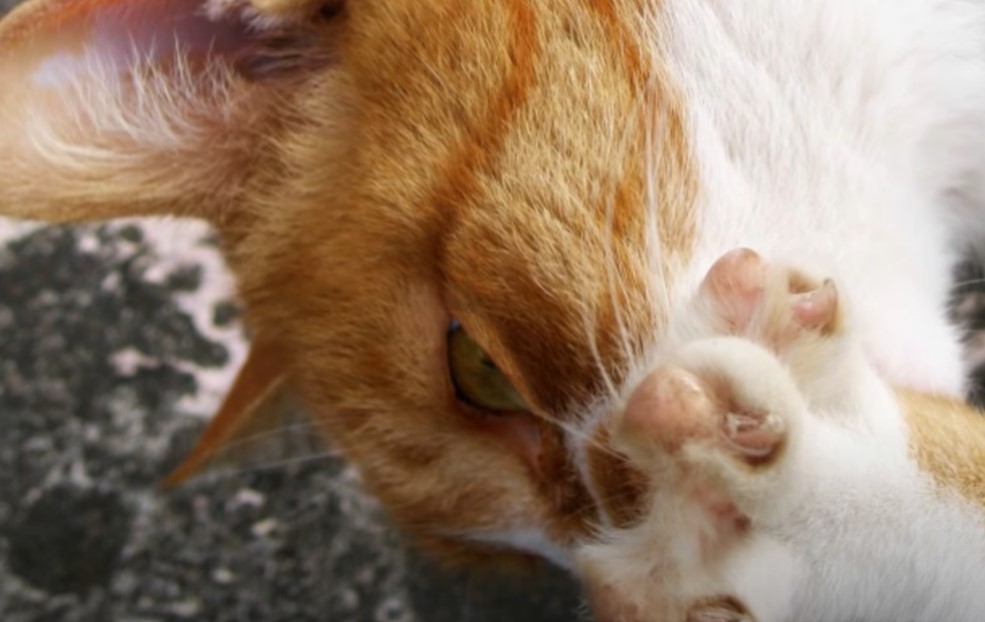
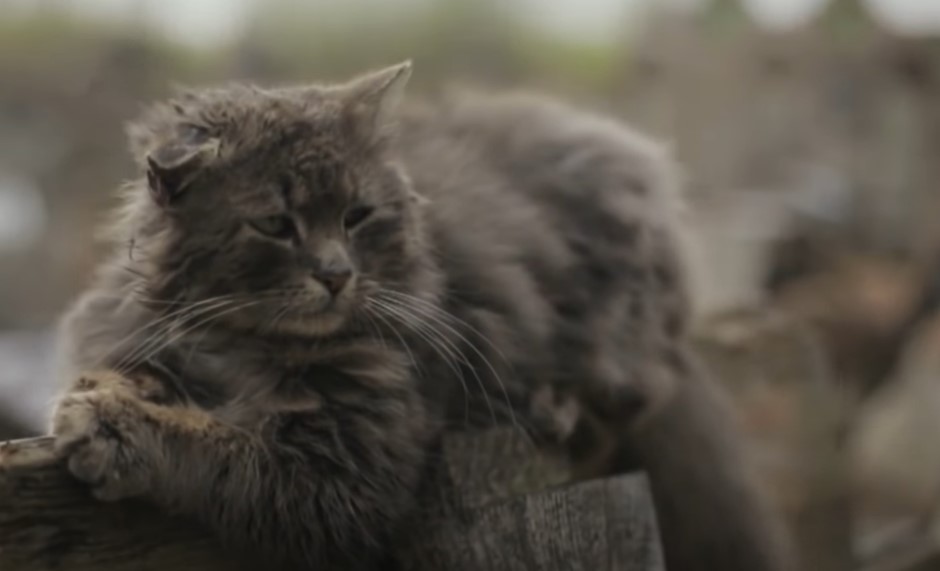
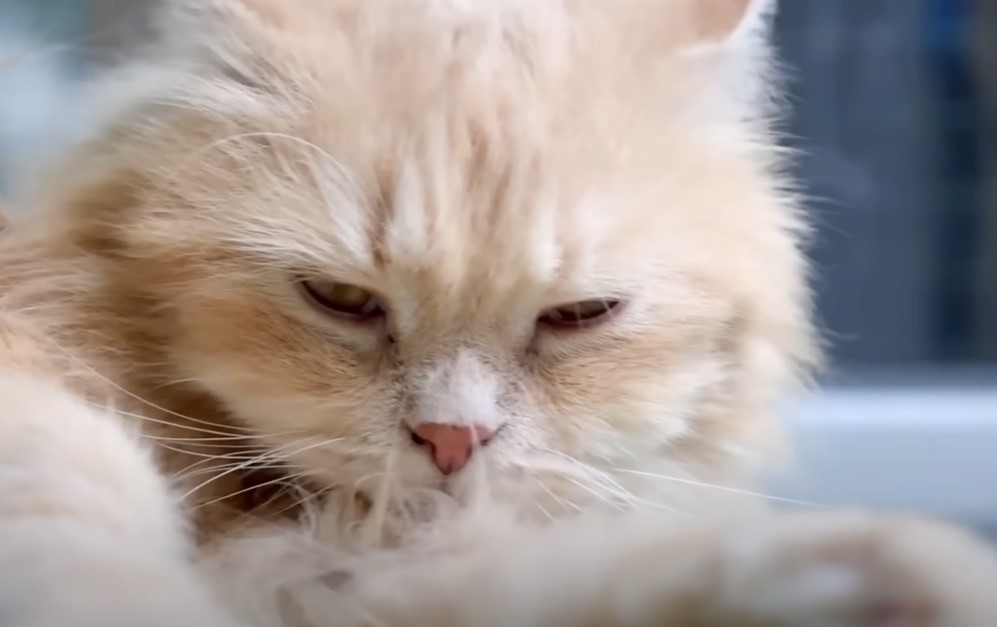
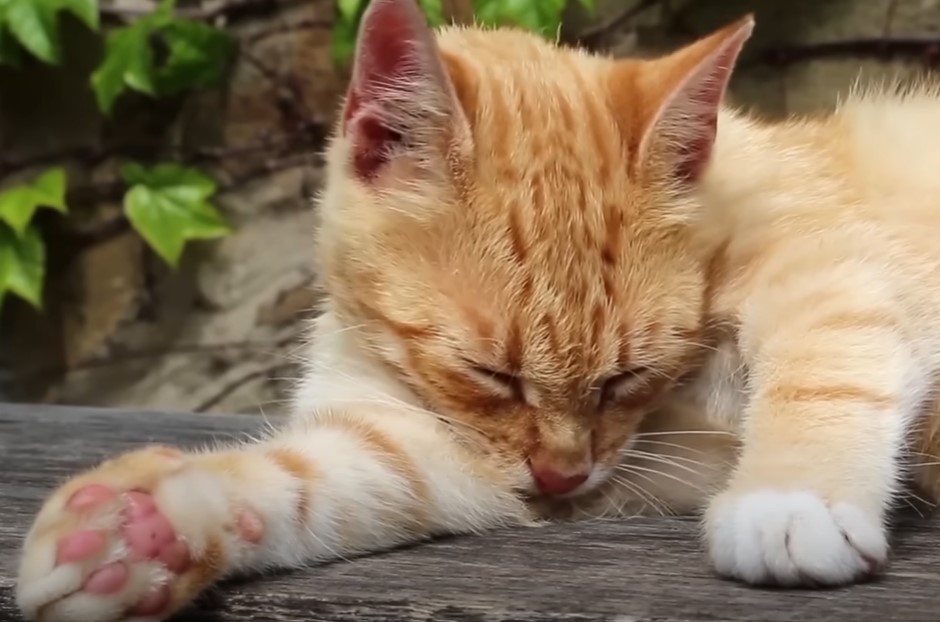
Cats may bite their nails for a few reasons. One common reason is grooming. Cats are meticulous groomers, and nail biting is often a part of their self-care routine to keep their claws clean and trimmed. Additionally, cats may bite their nails as a way to alleviate discomfort or irritation, such as if their claws are too long or if they have an injury or infection. In some cases, nail biting can also be a sign of stress or anxiety in cats. If you notice excessive nail biting or other unusual behaviors, it’s a good idea to consult with a veterinarian to rule out any underlying health issues or behavioral concerns.
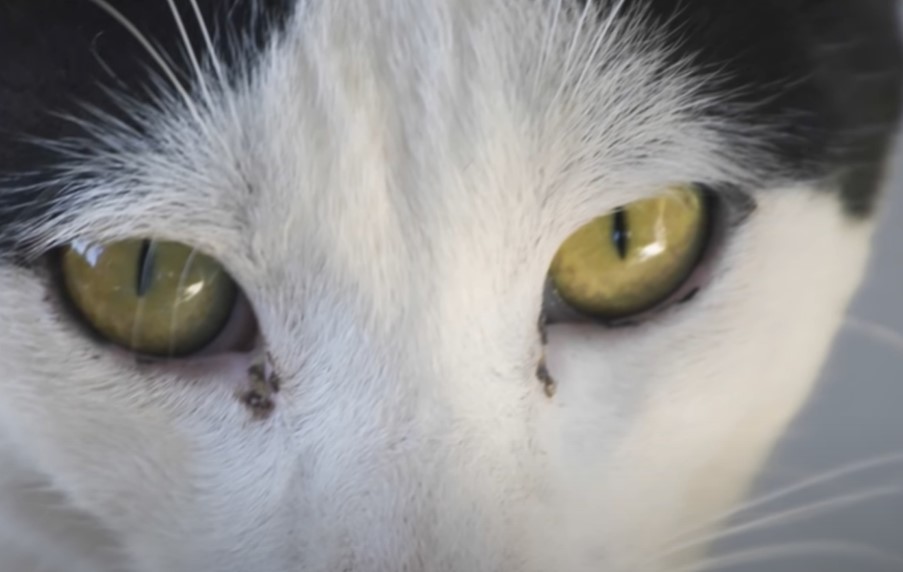
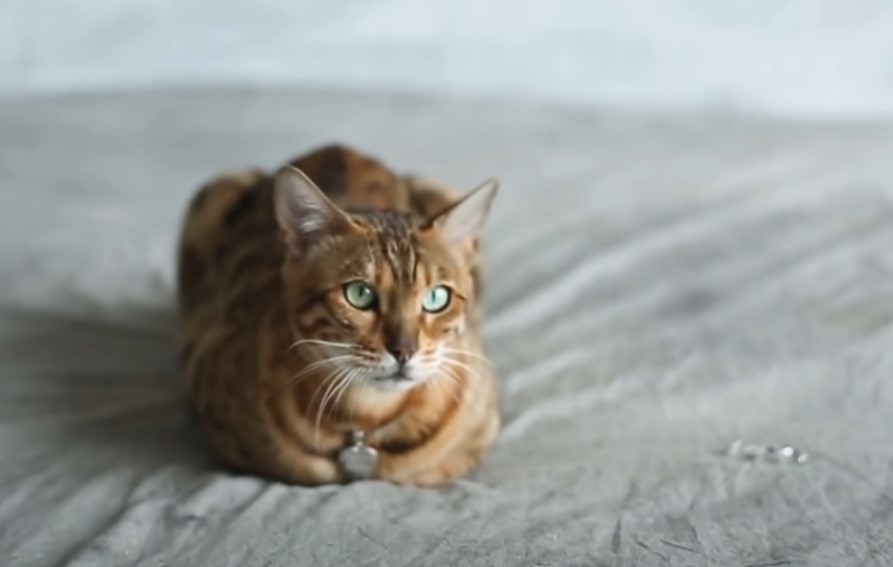
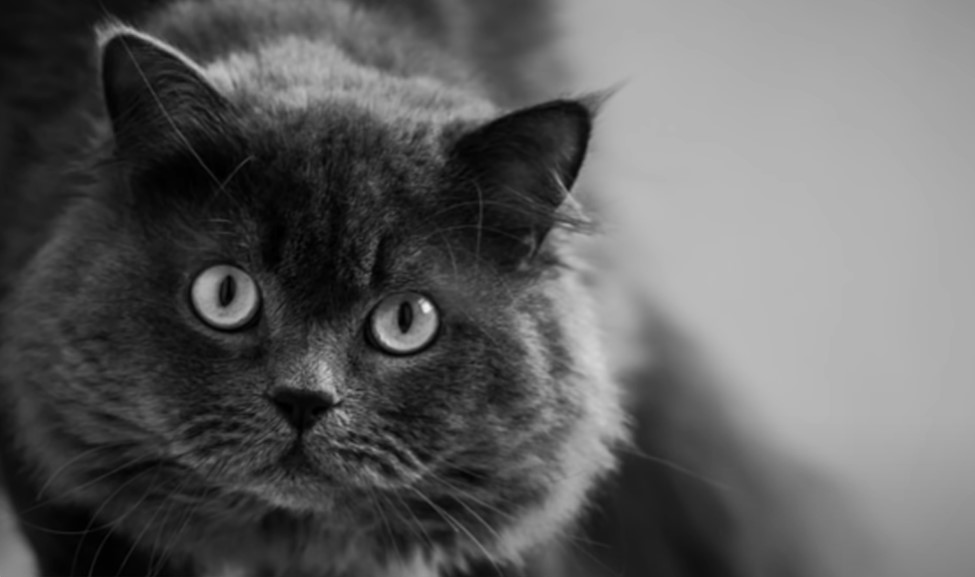
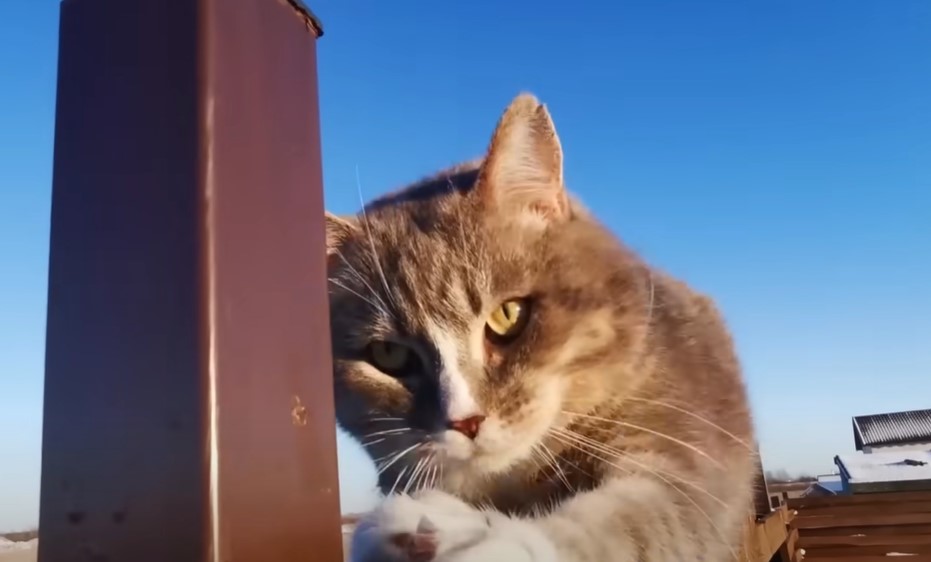
Cats often stare at us with intensity, reminiscent of their wild relatives like tigers. This behavior stems from their curiosity, desire for interaction, and predatory instincts. Whether they’re seeking attention or assessing their surroundings, a cat’s stare is a fascinating glimpse into their complex nature.
Cats’ sudden bursts of energy, known as “zoomies,” are common and typically involve them darting around the house at high speeds. This behavior is a way for cats to release excess energy, engage in play, mimic hunting instincts, and express happiness. While it might seem random to us, zoomies are a normal and healthy part of a cat’s behavior.
Cats’ funny and awkward sitting or lying positions are often due to their remarkable flexibility, comfort-seeking behavior, and natural instincts. Whether they’re contorting themselves to regulate body temperature, stretching their muscles, or simply exploring their surroundings, these positions are typically harmless quirks of feline behavior.
Cats bring their owners dead animals as “presents” due to their natural hunting instincts. It’s a behavior rooted in their desire to provide for their family (you), teach hunting skills, strengthen social bonds, and seek approval. Though it may seem unpleasant to us, it’s a normal aspect of feline behavior.
Cats rub against you to mark you with their scent, a sign of ownership and comfort. It’s also a way of showing affection, communicating their needs, and strengthening the bond between you.
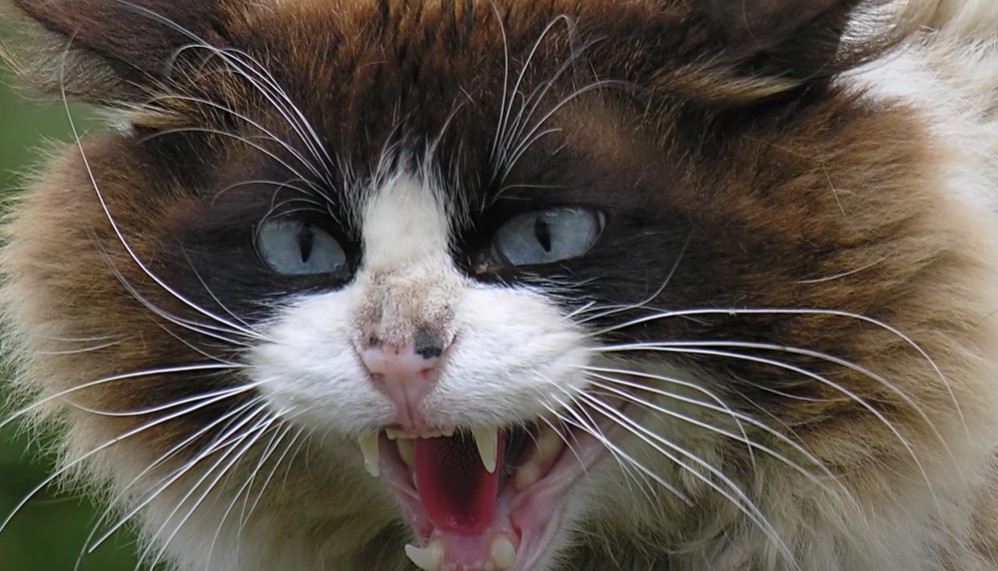
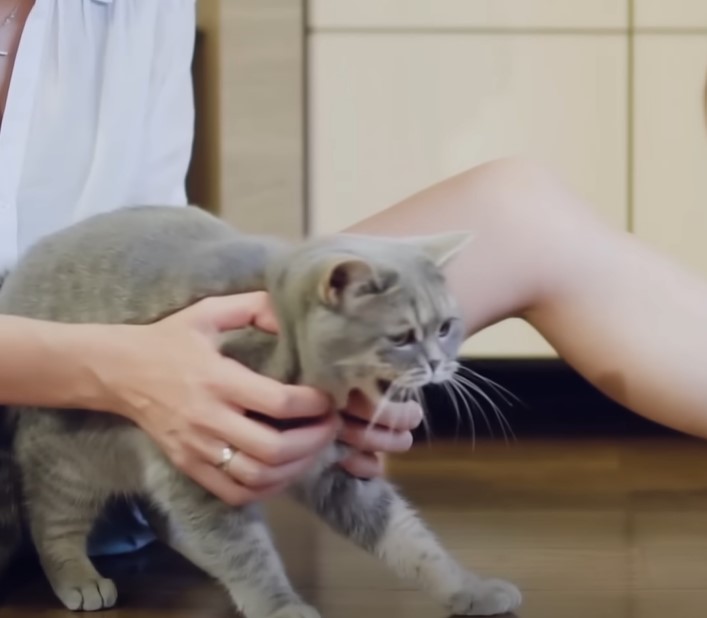
Cats hiss as a defensive or fearful reaction. It’s a warning signal they use to communicate that they feel threatened or uncomfortable. Hissing is a way for cats to express their desire for space and to deter potential threats. It’s important to respect a hissing cat’s boundaries and give them the space they need to calm down and feel safe.
Cats knead by rhythmically pressing their paws against a surface, often their owner’s lap or a soft blanket. This behavior stems from kittenhood when they knead their mother’s belly to stimulate milk flow while nursing. When cats knead their owners, it’s typically a sign of contentment, comfort, and affection. They associate the act with positive emotions and may purr or show other signs of relaxation while kneading. It’s a charming behavior that many cat owners find endearing and a testament to the bond between cat and human.
Certainly!
Cats adore small, enclosed spaces because they offer a sense of security, warmth, and comfort. Mimicking the feeling of being in a den or burrow, these cozy spots fulfill cats’ natural instincts and provide a stress-free retreat from the outside world.
Cats stare at their owners to communicate various needs, such as seeking attention, expressing affection, or conveying curiosity. It’s a form of interaction that strengthens the bond between cat and owner.
When cats ignore their owners, it could be due to their independent nature, mood, or overstimulation. It’s usually nothing personal, just a part of their behavior.
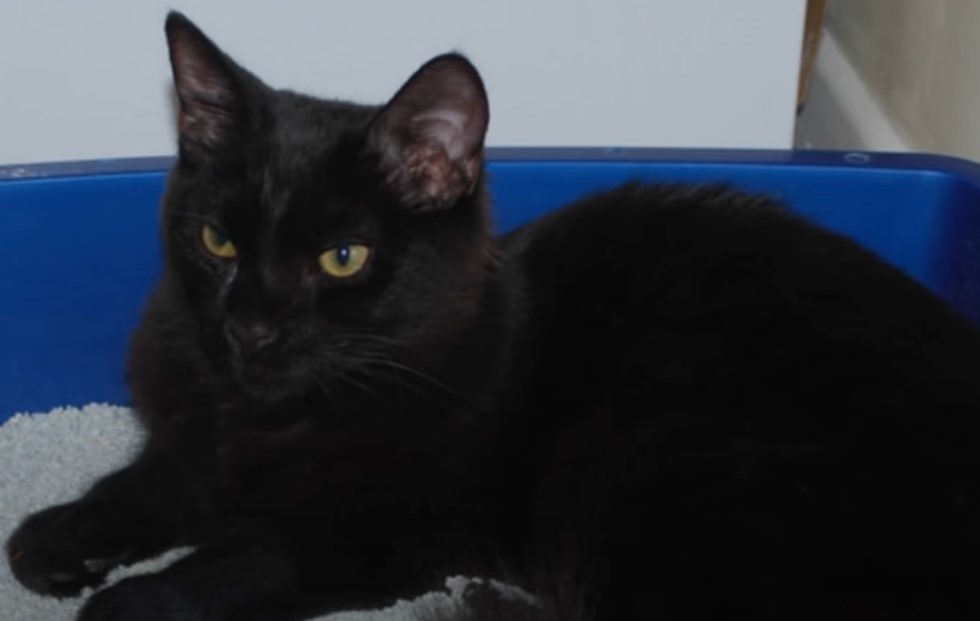
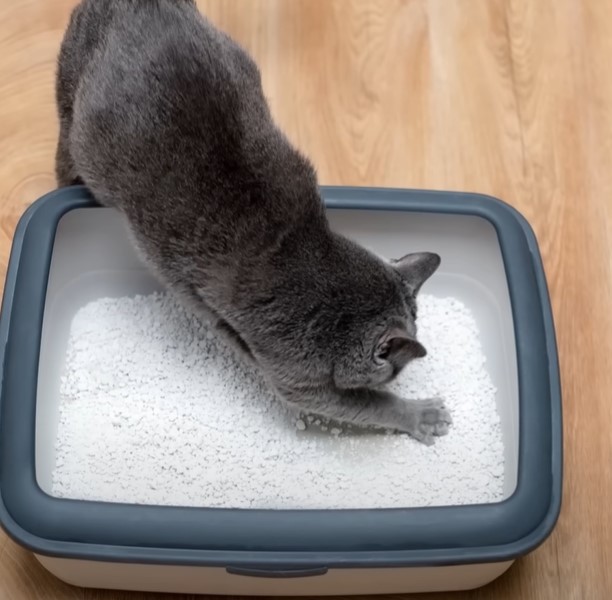
When cats don’t cover their poop, it might be due to territorial behavior, litter box issues, medical problems, stress, or age-related changes. Keeping the litter box clean and addressing any health or environmental factors can help encourage proper behavior.
When cats cry at night, it could be due to hunger, seeking attention, anxiety, medical issues, or age-related changes. To address this behavior, ensure their basic needs are met, create a calming environment, and establish a consistent bedtime routine. If the crying persists, consult a vet for further evaluation.
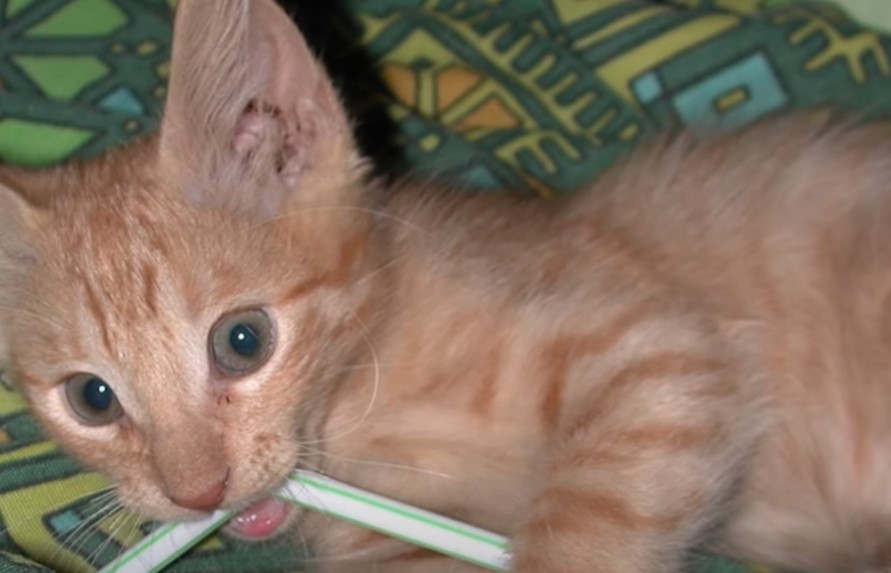
When cats chew on plastic, it could be due to pica, texture preference, curiosity, dental issues, or boredom. However, this behavior can pose health risks, including choking and intestinal blockages. It’s crucial to discourage it by providing safe chew toys and environmental enrichment. If the behavior persists, consult a vet for guidance.
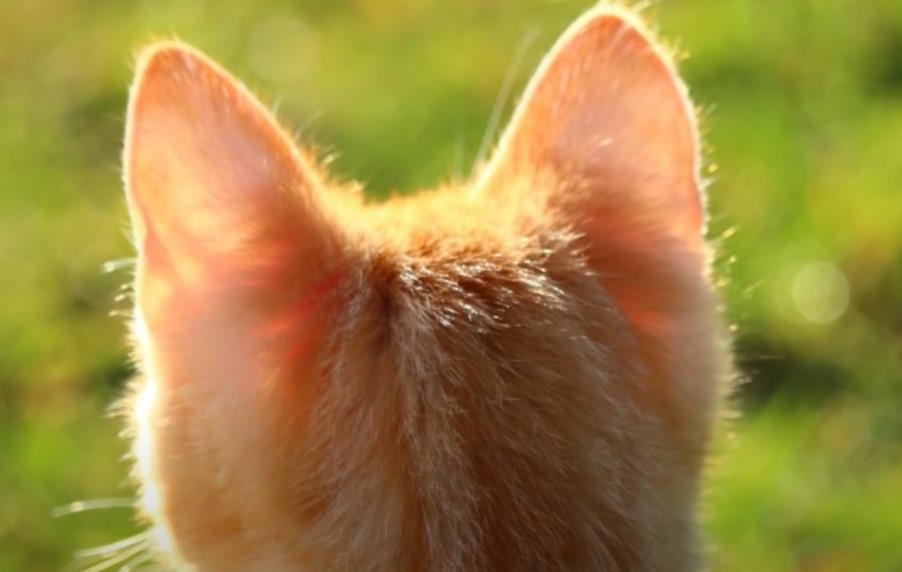
When a cat’s ears point upward and twitch, it signifies their alertness and attentiveness to their surroundings. It’s a natural behavior that shows they are listening for sounds, curious about their environment, and possibly communicating their mood or intentions.
Laying down on your gadgets
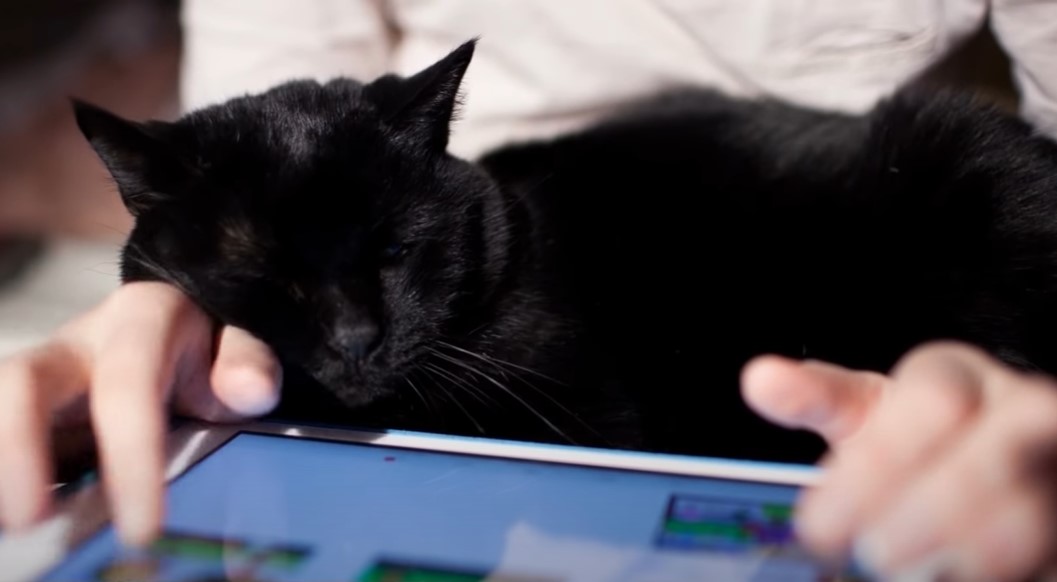
When a cat lays down on your gadgets, like your laptop or phone, it’s often because they’re attracted to the warmth these devices emit. Cats love cozy and warm spots, and gadgets that have been in use tend to generate heat, making them appealing places for cats to lounge. Additionally, your cat may be seeking attention or companionship and sees laying on your gadgets as a way to be close to you while you’re using them.
When cats knock things over, it’s often due to their playful nature, curiosity, and desire for attention. It mimics hunting behavior and can be a way to explore their environment. Providing mental and physical stimulation, securing objects, and offering alternative outlets for their energy can help discourage this behavior.
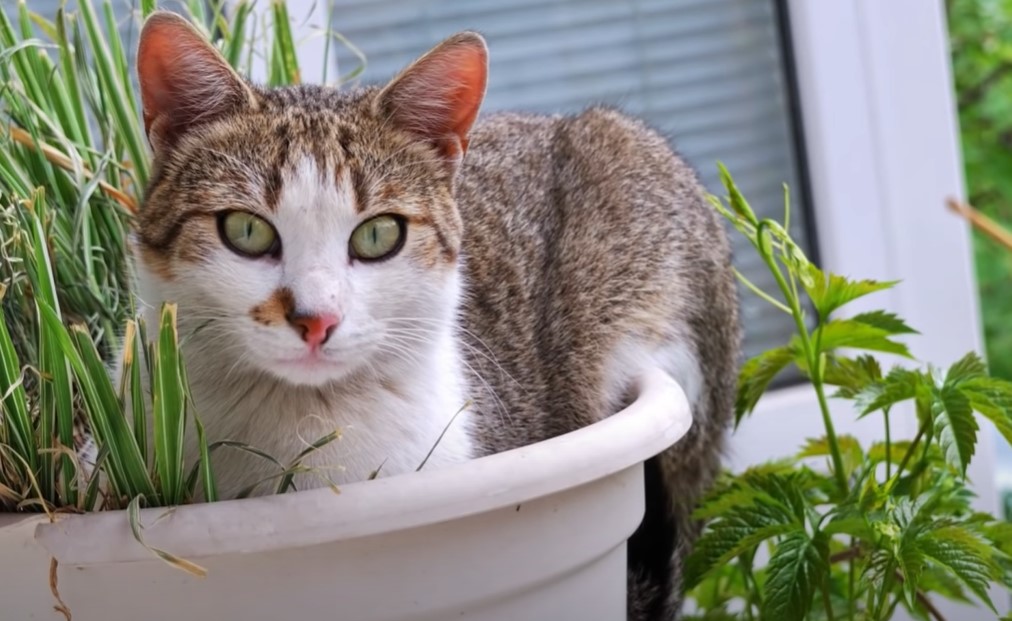
When cats nibble on plants, it’s often due to curiosity, dietary needs, or instinctual behavior. While it can help them explore their environment or supplement their diet, it’s essential to ensure that plants are safe for them to ingest. Providing safe alternatives like cat grass or catnip can satisfy their urge to nibble while minimizing risks.
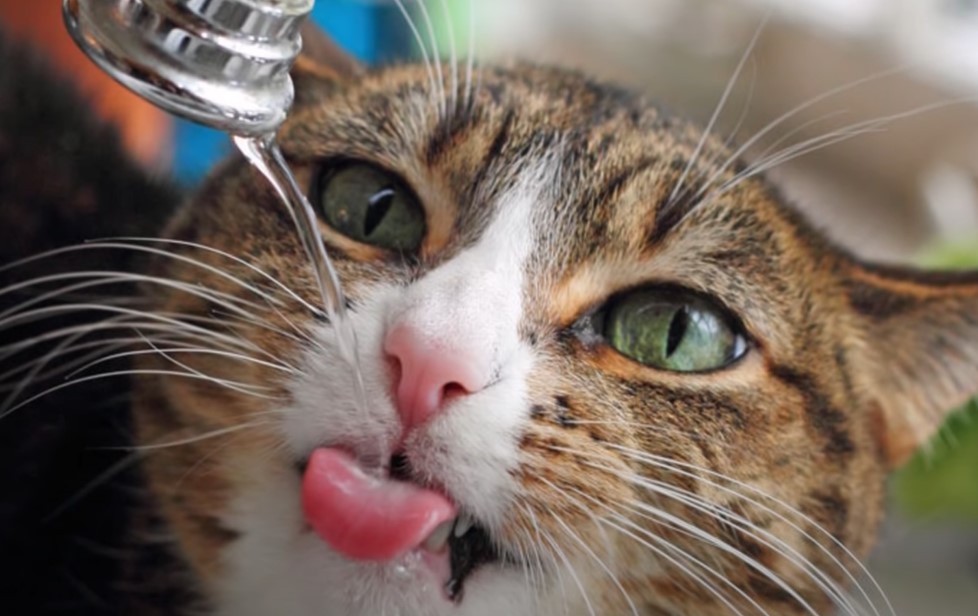
When cats drink from the faucet, it’s often because they prefer running water for its freshness and stimulation. This behavior may stem from their instinctual preference for moving water sources and can provide entertainment and enrichment. While it’s generally harmless, it’s essential to ensure they have access to fresh water in a bowl as well.
Cats are naturally active at night due to their hunting instincts and preference for cooler temperatures. They may feel more secure exploring their environment when there are fewer disturbances. Providing daytime stimulation and ruling out any underlying issues can help encourage more restful behavior at night.
Begging for food but not eating it
When cats beg for food but don’t eat it, it could be due to picky eating habits, seeking attention, stress, medical issues, or overfeeding. Establishing a regular feeding schedule and avoiding reinforcement of begging behavior can help address this issue. If it persists, consult with a veterinarian for further guidance.
Cats instinctively bury their poop to hide from predators, mark territory, maintain cleanliness, and avoid confrontation. This behavior, deeply ingrained in their instincts, serves multiple purposes for their hygiene, territory marking, and self-preservation.
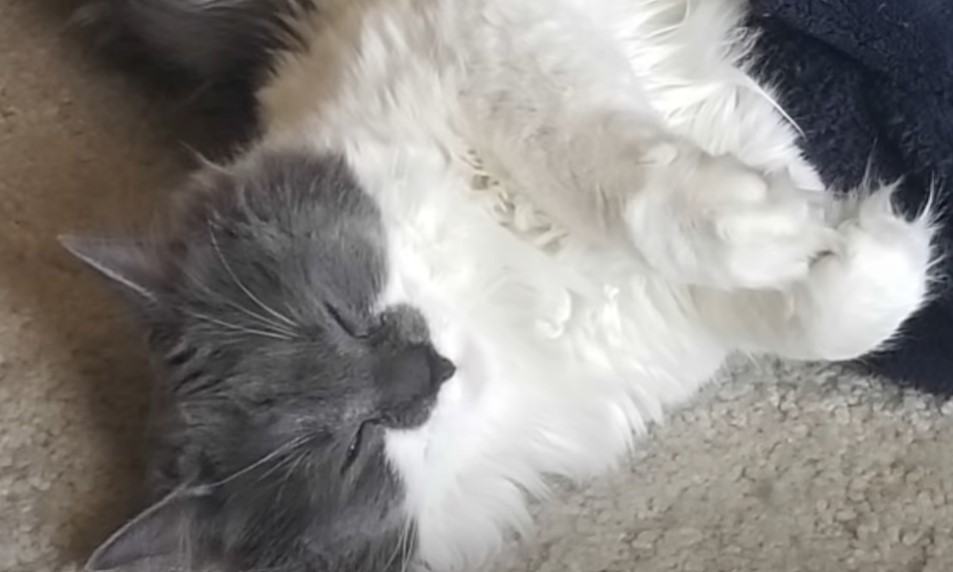
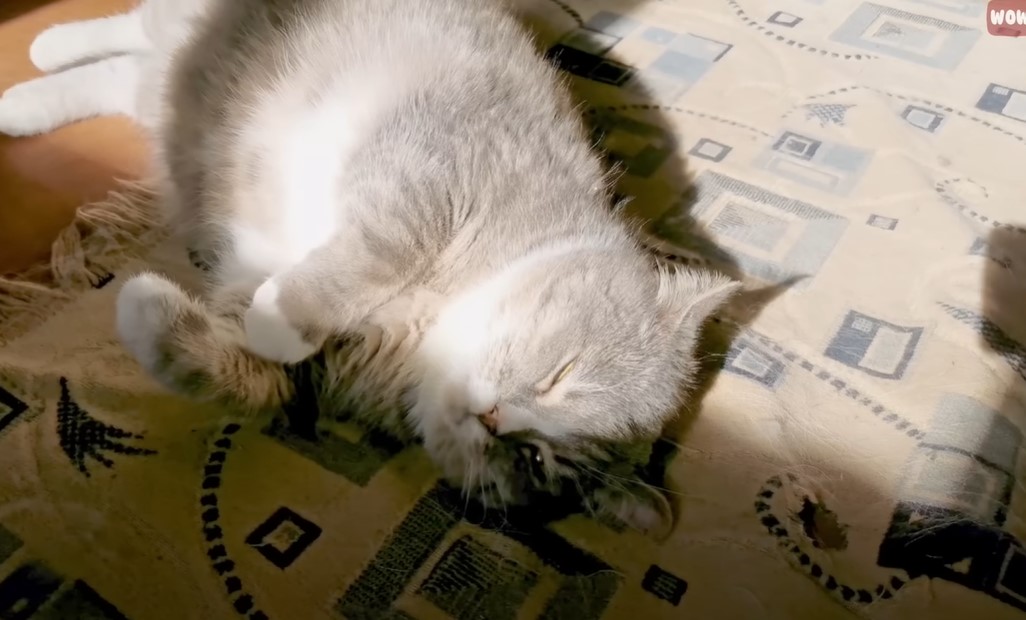
When cats roll on their backs when they see you, it’s typically a sign of trust, comfort, and affection. Rolling exposes their vulnerable belly, indicating that they feel safe and relaxed in your presence. It’s a behavior that cats often reserve for individuals they trust and feel comfortable with, such as their owners. Additionally, rolling on their back can also be a way for cats to stretch their muscles and enjoy a pleasant sensation, especially if they’re feeling content and happy. Overall, it’s a positive and affectionate gesture that strengthens the bond between cats and their human companions.
When cats scratch random objects, it’s a natural behavior with multiple purposes: marking territory, stretching, stress relief, and nail maintenance. Providing appropriate scratching surfaces and using positive reinforcement can help redirect this behavior.
Cats may vomit due to various reasons, including hairballs, dietary issues, ingestion of foreign objects, or underlying health problems. While occasional vomiting may not be concerning, frequent or persistent vomiting warrants a visit to the vet for proper diagnosis and treatment.
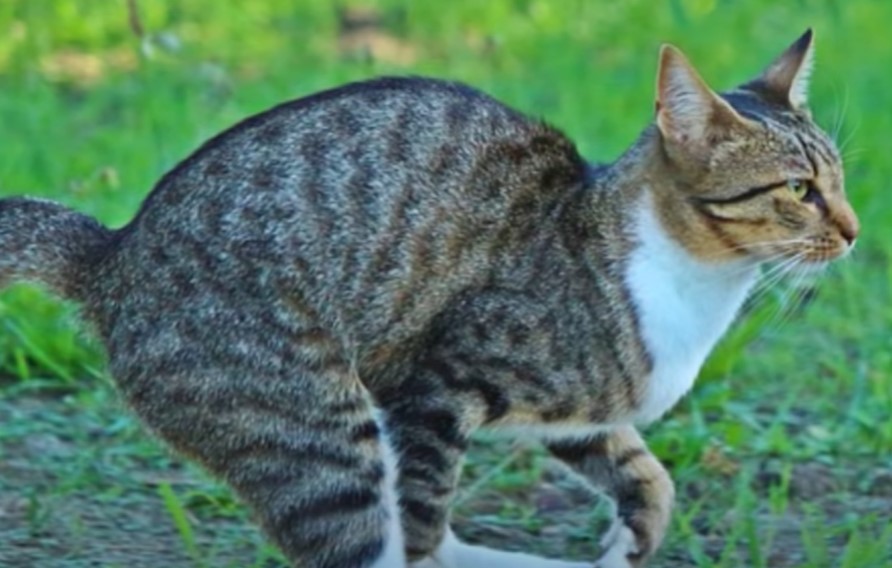
Cats arch their backs for various reasons. It’s a natural part of their stretching routine, helping them limber up their muscles. However, they may also arch their back defensively when feeling threatened or scared, making themselves appear larger. In some cases, it can indicate aggression, especially when accompanied by hissing or growling. Yet, during playtime, cats may arch their backs to show excitement and readiness to engage. Understanding the context and accompanying body language can help decipher why a cat is displaying this behavior.
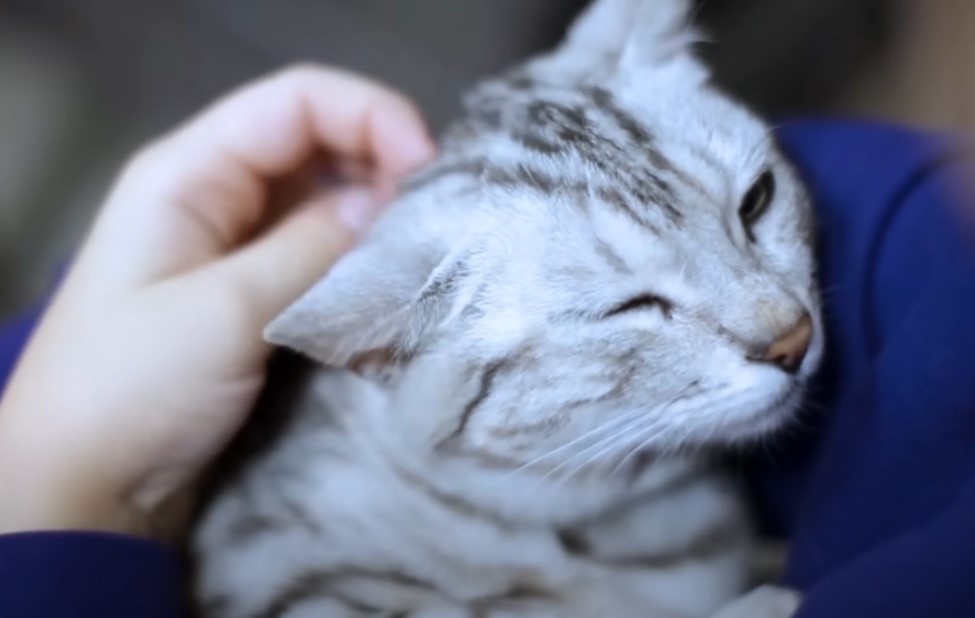
Cats may bite their owners for various reasons, including playfulness, overstimulation, attention-seeking, fear or anxiety, and medical issues. Playful nipping, overstimulation from excessive petting, and seeking attention are common triggers for biting behavior in cats. However, fear, anxiety, or underlying medical problems can also contribute to this behavior. Understanding the cause behind the biting and responding appropriately is essential in addressing and modifying this behavior.
When cats lick their owners, it’s typically a sign of affection, grooming behavior, or communication. Licking serves to bond with their owner, groom them as they would other cats, and communicate trust or a desire for attention or food. It’s a positive behavior that strengthens the bond between cats and their owners.
When cats sleep on their owners, it’s a display of trust, comfort, and affection. They seek the security and warmth provided by their owner’s presence, strengthening their bond through shared closeness and scent association. Often, it’s also a subtle way for cats to seek attention and affection from their owners. This behavior fosters a deeper emotional connection between cats and their human companions, making it a cherished and comforting experience for many cat owners.
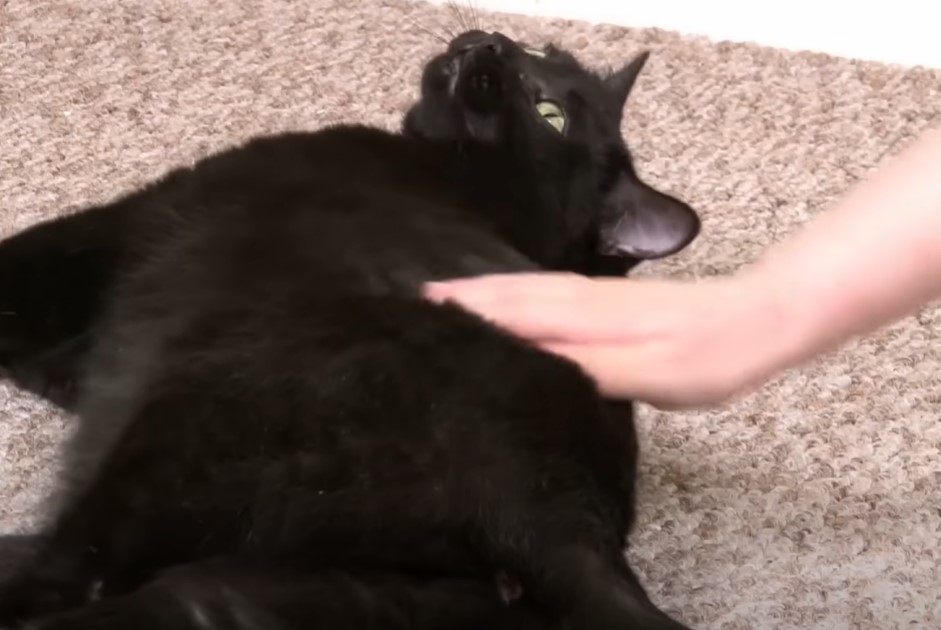
Some cats dislike belly rubs due to their natural instincts and sensitivities. Exposing their belly is a sign of trust, but it can also make them feel vulnerable and defensive if touched. Additionally, belly rubs can be too intense or overstimulating for some cats, leading to discomfort or irritation. Negative experiences or individual preferences can also contribute to a cat’s aversion to belly rubs. Understanding and respecting a cat’s boundaries and preferences is crucial, focusing on providing affection and interaction in ways that the cat enjoys and feels comfortable with.
Please SHARE this with your friends and family.
Cats’ quirky behaviors never cease to amaze. From knocking objects off shelves to their love-hate relationship with water, these feline antics keep us entertained. Let’s delve into some of the strange habits that make cats such fascinating companions.
Nail biting
Cats may bite their nails for a few reasons. One common reason is grooming. Cats are meticulous groomers, and nail biting is often a part of their self-care routine to keep their claws clean and trimmed. Additionally, cats may bite their nails as a way to alleviate discomfort or irritation, such as if their claws are too long or if they have an injury or infection. In some cases, nail biting can also be a sign of stress or anxiety in cats. If you notice excessive nail biting or other unusual behaviors, it’s a good idea to consult with a veterinarian to rule out any underlying health issues or behavioral concerns.