


Many species have been driven to extinction thanks to us humans. Poaching, agriculture, tourism, and anything else you can name probably played a hand in forcing many creatures to move or die out completely.
We all know the dinosaurs but there are many other fascinating animals to have gone extinct, and we’re talking pretty current ones. Here’s a list of them.
Yangtze River Dolphin
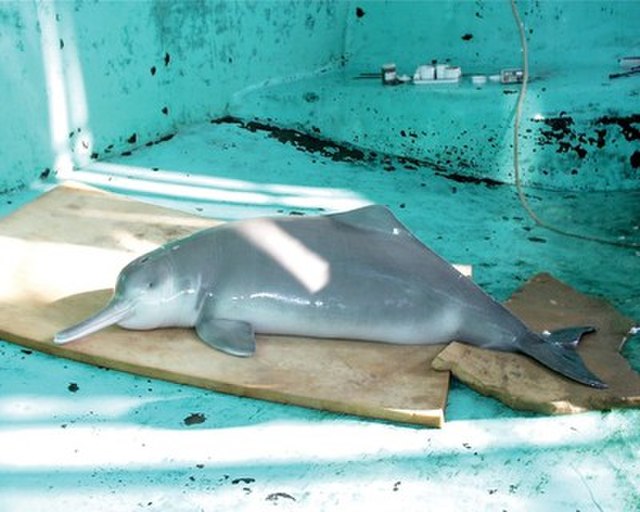
Also called “baiji,” the Yangtze River dolphin was last seen in 2002.
A group of researchers traveled along 2,000 miles of the Yangtze River 4 years later to see if they could find one. They didn’t.
According to the Whale and Dolphin Conservation group (WDC), this the first dolphin species to become extinct because of humans.
Cause of Extinction: Overfishing, poaching, pollution, loss of habitat and boat traffic.
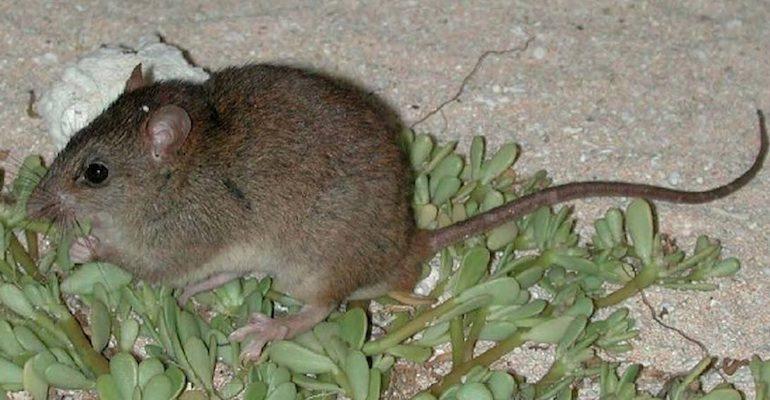
Bramble Cay Melomys
These rodents have been declared officially extinct by the International Union for Conservation of Nature (IUCN) in 2015.
Native to Bramble Cay, a small island near the northern side of the Great Barrier Reef, these creatures haven’t been spotted since 2009.
“Significantly, this probably represents the first recorded mammalian extinction due to anthropogenic climate change,” the Queensland state government said.
Cause of Extinction: Man-made climate change leading to a loss of food and habitat.
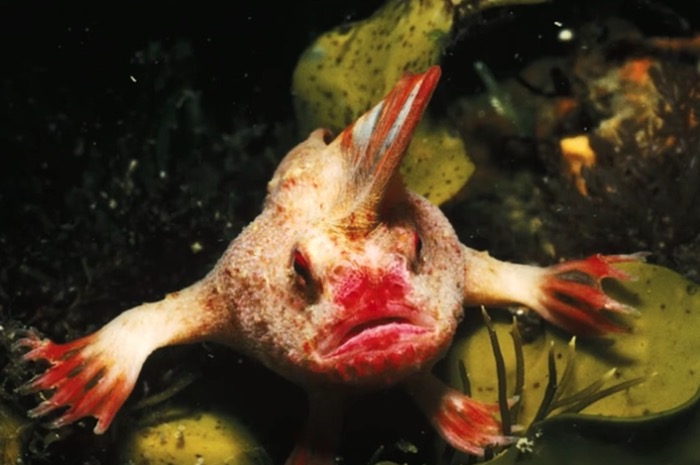
Smooth Handfish
The red handfish is a close relative of the now-extinct smooth handfish, once abundant in Australia just 200 years ago.
They were named after their uncanny resemblance to human arms and hands.
Declared extinct in 2020, these fish featured a punk-rock mohawk-like spike on its head like its cousin shown here.
As of today, there is only one known preserved specimen of the extinct smooth handfish.
Cause of Extinction: A definitive cause is not known, but scientists speculate that habitat loss and destructive fishing of other sea-life drove them to extinction.
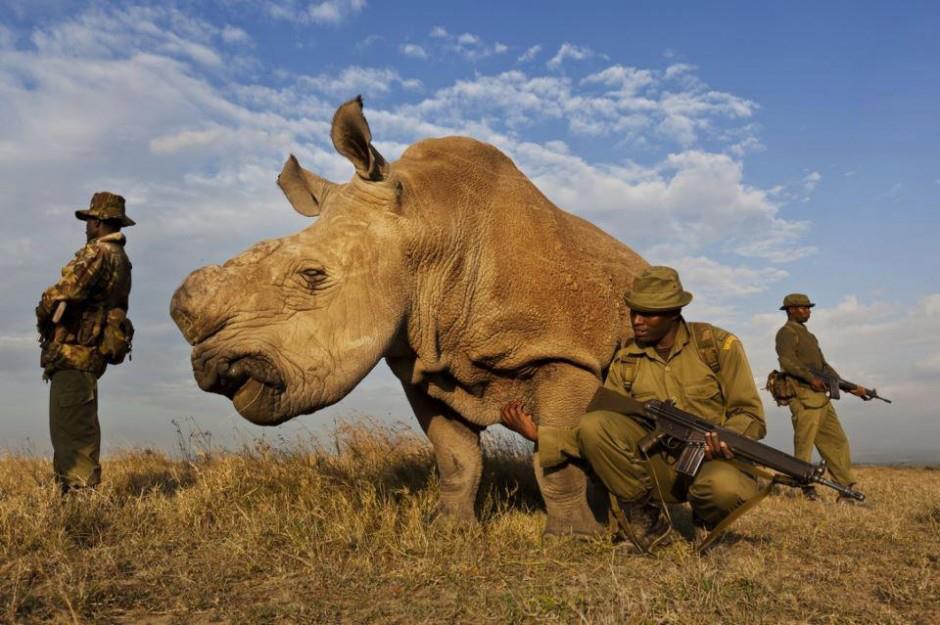
Northern White Rhinoceros
The last two living northern white rhinos in existence are both female, since the last male died in March of 2018.
Sudan was the 45-year-old male, and was under armed guard at Kenya’s Ol Pejeta Conservancy.
He passed away from old age and an infection.
The two females are unable to give birth, so introducing a new generation of the species is highly unlikely.
Scientists are working on harvested sex cells and in-vitro fertilization in an attempt to bring forth a lab-created northern white rhino.
Cause of Extinction: Poaching and loss of habitat drove the rhino to the brink of extinction.
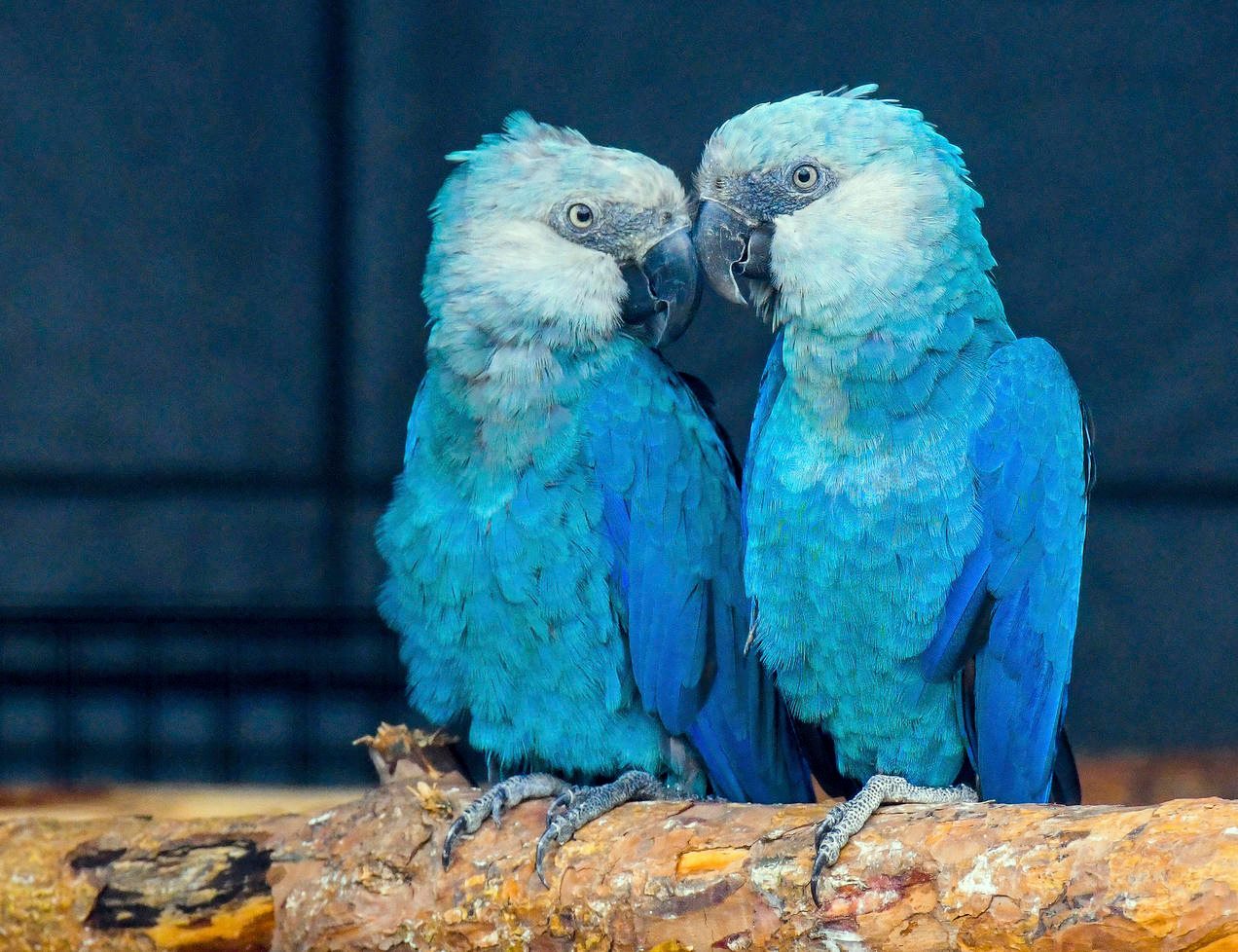
Spix Macaw
They were thought to be extinct in the wild. The Spix Macaw currently exists in captivity.
Their numbers are in the dismally low 60 to 80 range.
The bird is also referred to as “Little Blue Macaw” thanks to their vibrant blue feathers.
Cause of Extinction: Habitat destruction, illegal trapping, and trade.
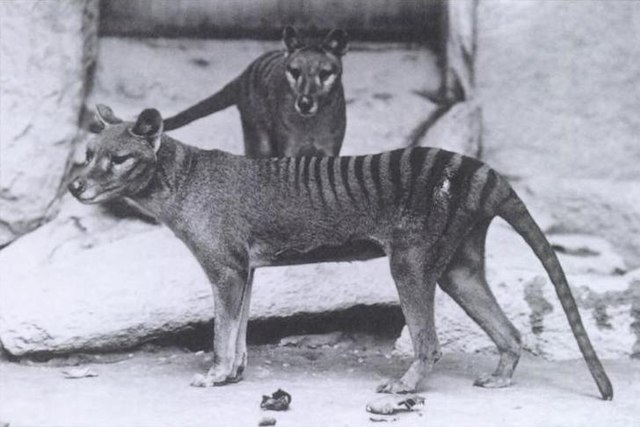
Thylacine
The Thylacine was a carnivore also known as the Tasmanian tiger and Tasmanian wolf.
They were mostly nocturnal marsupials that preyed on rodents and kangaroos.
Although they looked fierce, they were pretty timid and, according to Live Science, “could be captured without a fight.”
Reports of Thylacine sightings were so frequent in the past century that it even sparked an investigation regarding the status of their existence.
Cause of Extinction: The theory is that Dingo populations threatened the Thylacine into extinction all while struggling with the overhunting from humans.
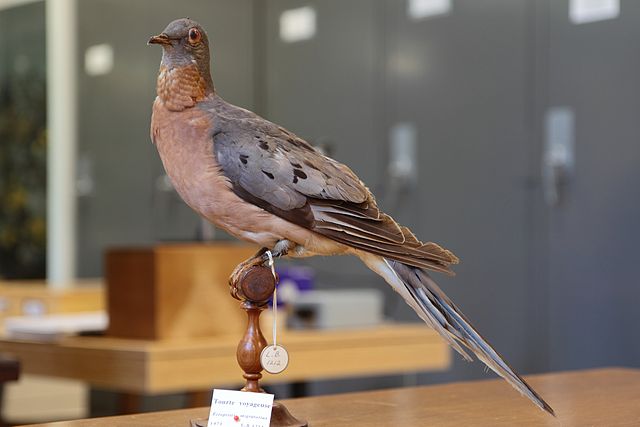
Passenger Pigeon
Estimates put the passenger pigeon’s population in the millions, and even billions, when the first Europeans came to America.
MentalFloss states that Wisconsin was home to the largest nesting site back in the late 1800s.
Cause of Extinction: Humans hunted and consumed them, with the last known pigeon dying in captivity in the Cincinnati Zoo in 1914.
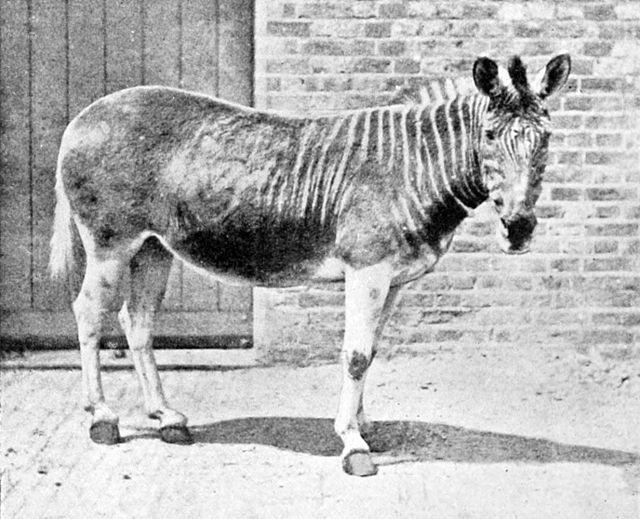
The Quagga
The Quagga was native to South Africa, going extinct in the late 19th century.
For a long time, they were thought to be its own species before the discovery that these were closely related to the Plains Zebra and was, actually a subspecies of the zebra.
Quaggas literally looked like a mashup, being a zebra in the front with those characteristic stripes, and a horse in the rear.
Scientists have been trying to resurrect the species, with some success via reverse engineering by selectively breeding zebras who carry the quagga’s genes.
Cause of Extinction: Like always, humans hunted these animals to extinction.
Pyrenean Ibex
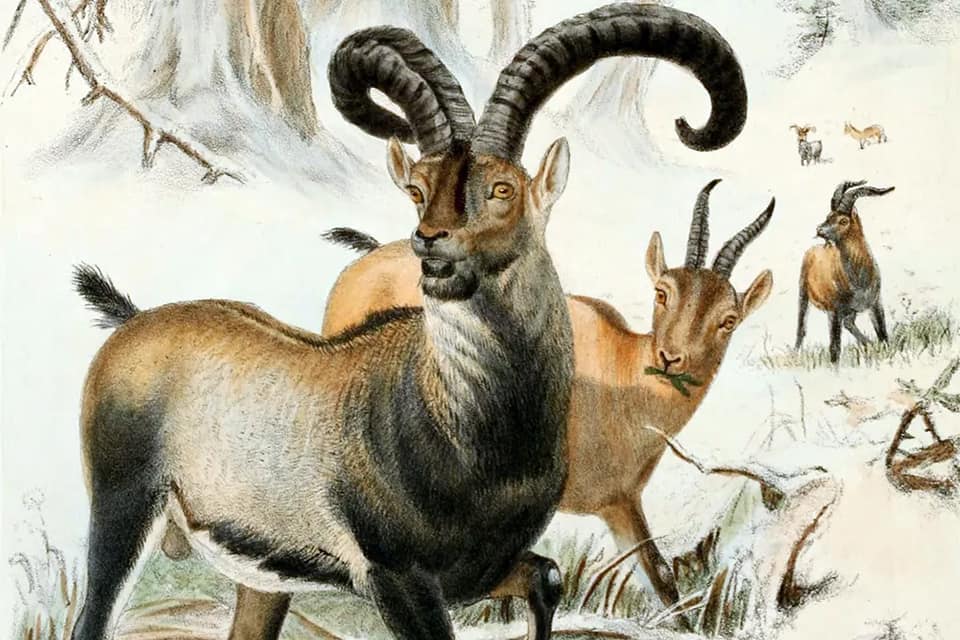
The Pyrenean Ibex went extinct in 2000, before being “resurrected” almost a decade later in 2009.
Scientists used DNA from preserved epidermal samples, creating a clone of a female Pyrenean Ibex.
The female made it through gestation and birth before dying soon after of lung deformities.
Cause of Extinction: Extensive hunting in the 19th century drove them to extinction.
Golden Toad
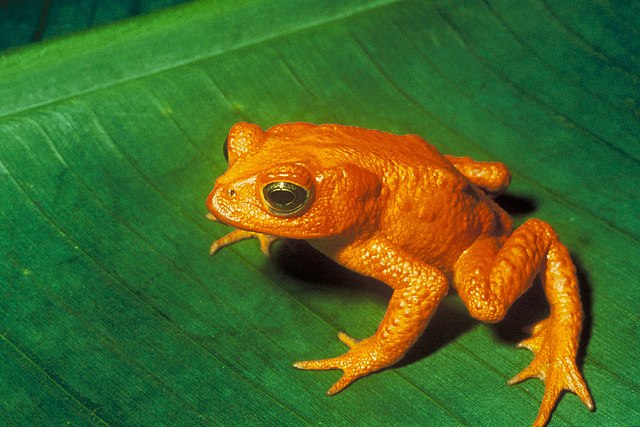
The golden toad is not the only species to go extinct in the past 40 years, but it may very well be the brightest.
The toads were last seen in 1989 in a Costa Rican rainforest just before being declared extinct in 1994.
It is believed that Chytridiomycosis, a fatal skin disease, wiped out the population which was already vulnerable thanks to what Science called a “limited habitat and small population.”
Cause of Extinction: Pollution, global warming, and chytrid skin infections.
Zanzibar Leopard
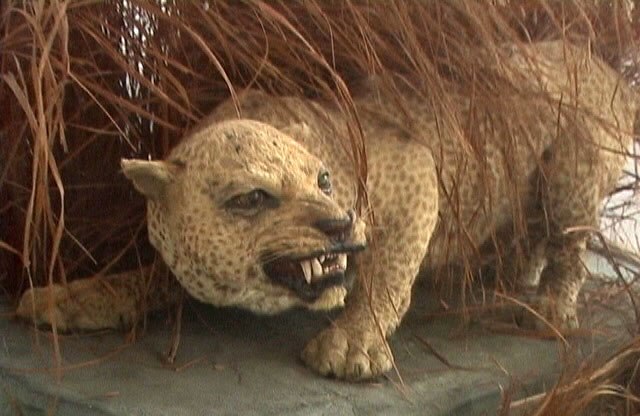
As one of several subspecies of leopard, the Zanzibar leopard found its home on the Zanzibar archipelago of Tanzania.
It’s unclear whether they are extinct since there have been occasional unconfirmed sightings.
Cause of Extinction: The belief that these animals were kept by witches had locals aggressively hunting them.
The government was also in on the campaign to exterminate these animals.
In the mid-90s, there was a short-lived conservation effort, but it was too little, too late for the leopard.
Then in 2018, Animal Planet released footage of what they say was a Zanzibar Leopard, but those claims are yet to be confirmed by experts.
Po’ouli
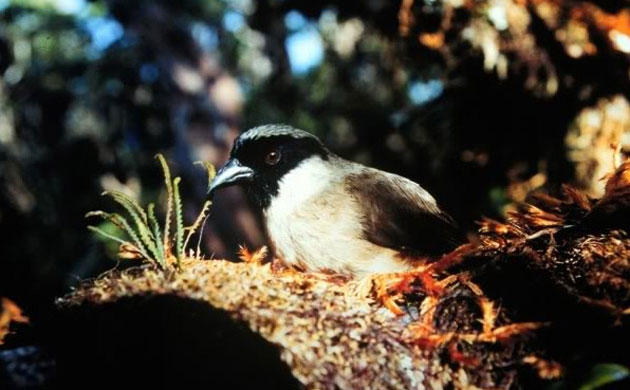
A native of Maui, Hawaii, the Po’ouli, also known as the black-faced honeycreeper, was only recently discovered in the 1970s.
They inhabited the southwestern slope of Haleakala volcano but the population declined rapidly.
In 1997, there were only three left.
Efforts to mate the remaining birds failed so they were declared extinct seven years later.
Cause of Extinction: Habitat loss, disease, predators, and a decline in native tree snails (their food source) are reasons for their demise.
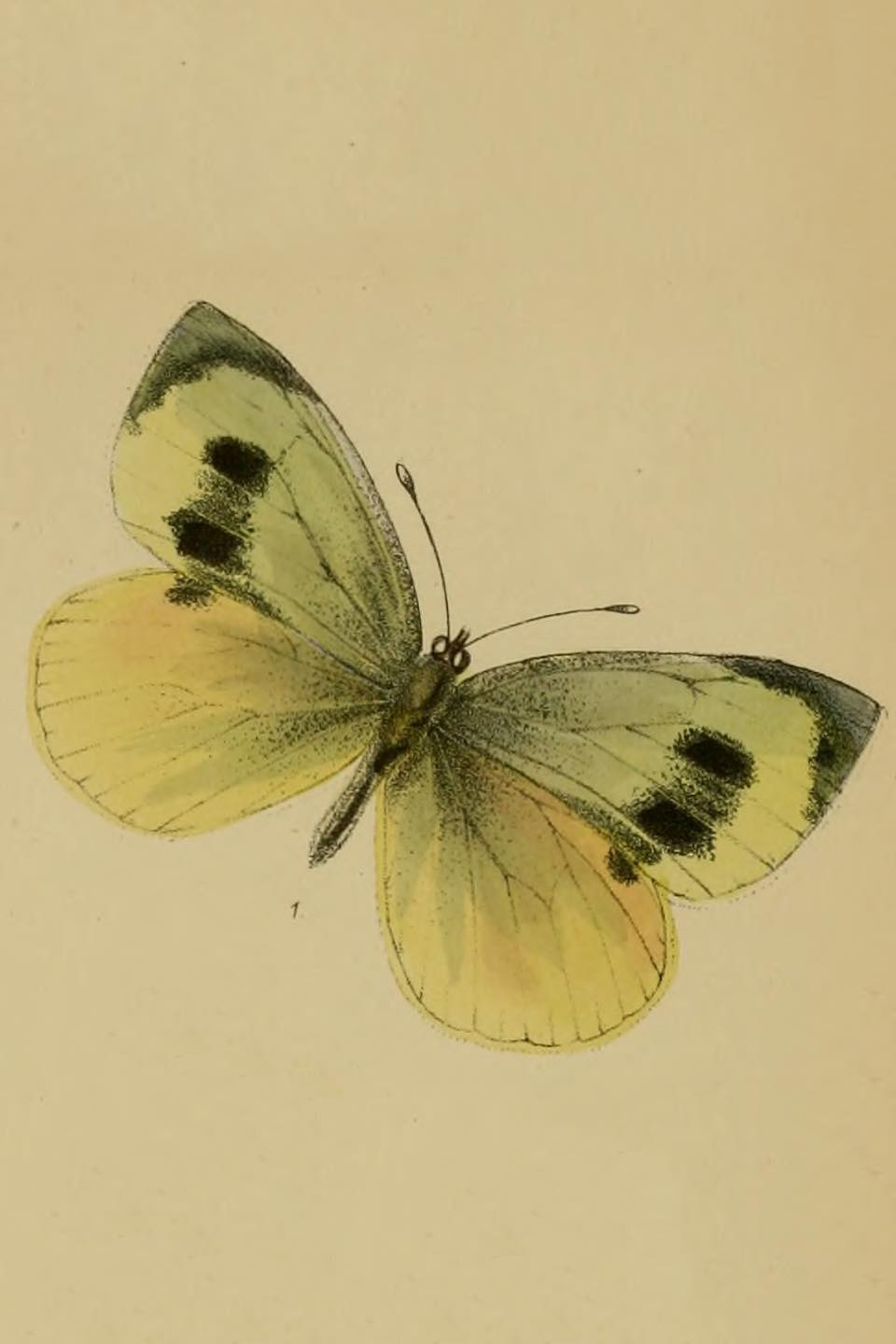
Madeiran Large White
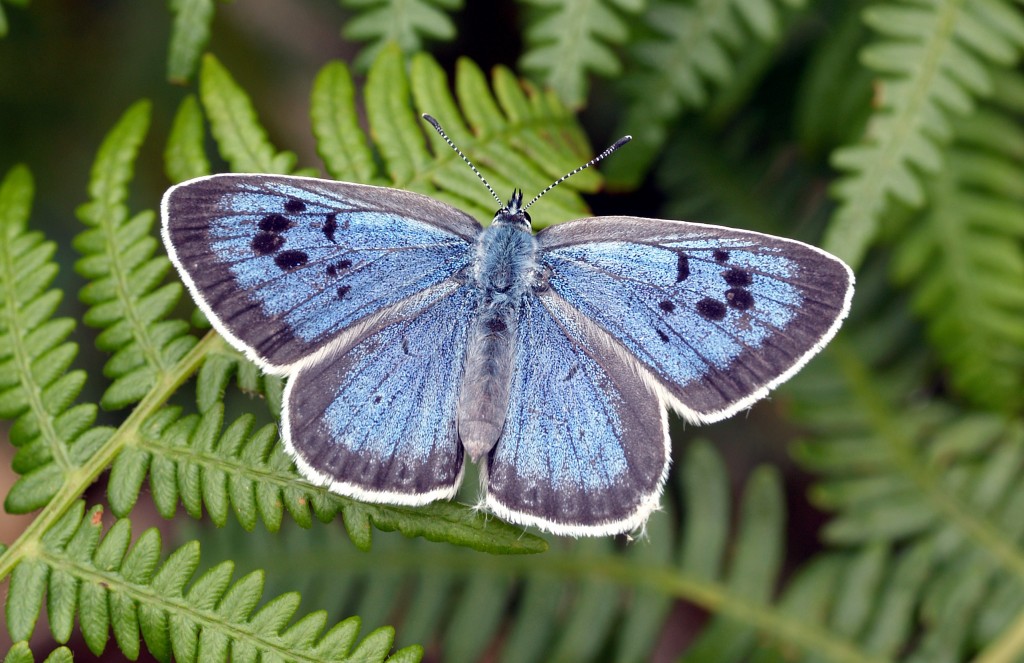
This stunning butterfly thrived in the valleys of the Laurisilva forests on Portugal’s Madeira Islands.
Their closest relative, the Large White, is commonly found across Europe, Africa, and Asia.
These butterflies have not been officially declared extinct, but they haven’t been seen for decades.
Cause of Extinction: Loss of habitat due to construction and pollution from agricultural fertilizers.
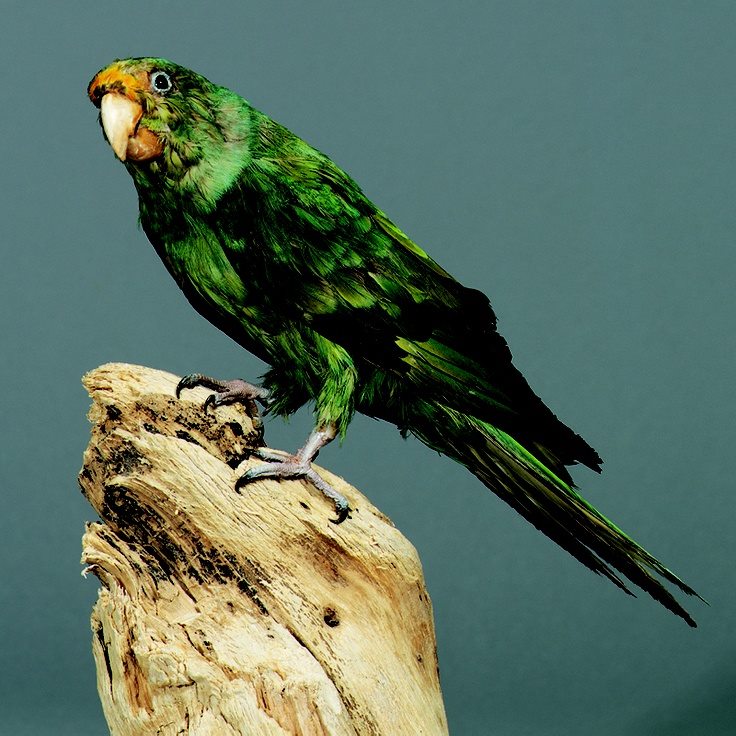
Carolina Parakeet
This bird was the only one of its kind native to the eastern portion of the U.S.
The last parakeet died at the Cincinnati Zoo in February of 1918 after his mate, Lady Jane, passed away.
Cause of Extinction: The Smithsonian says a specific reason doesn’t explain their extinction, but deforestation and disease are what could have done it. The bird’s feathers were coveted fashion fixtures for women’s hats as well.
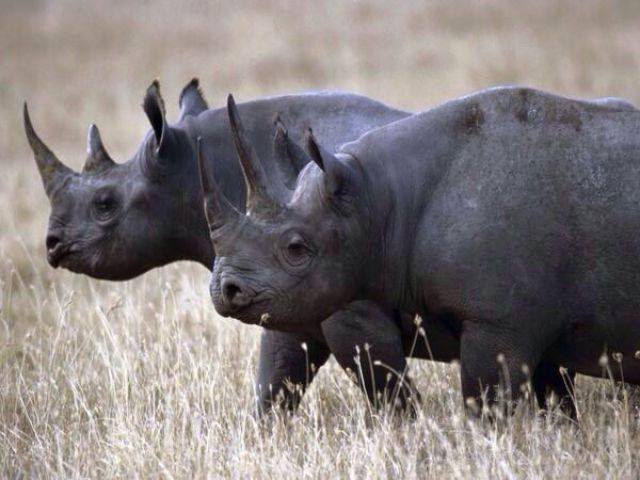
West African Black Rhino
The West African black rhino was declared extinct in 2006, after conservationists failed to find their last remaining habitat in Cameroon.
They were one of four subspecies of rhinoceros.
Routine horn trimming was often carried out to deter poachers from hunting them.
Cause of Extinction: Poachers went for its horn, since it is believed to possess aphrodisiacal powers by some in Yemen and China.
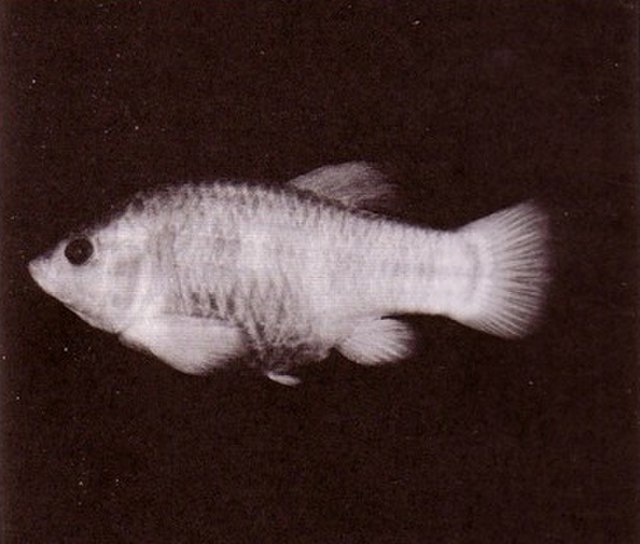
Tecopa Pupfish
The Tecopa pupfish was a native of the hot springs of the Mojave Desert.
They have the distinction of being the first animal to be declared extinct under the provisions of the Endangered Species Act of 1973.
The fish’s decline was precipitated as their natural habitat was encroached upon by developers.
Cause of Extinction: Destruction of their natural habitat.
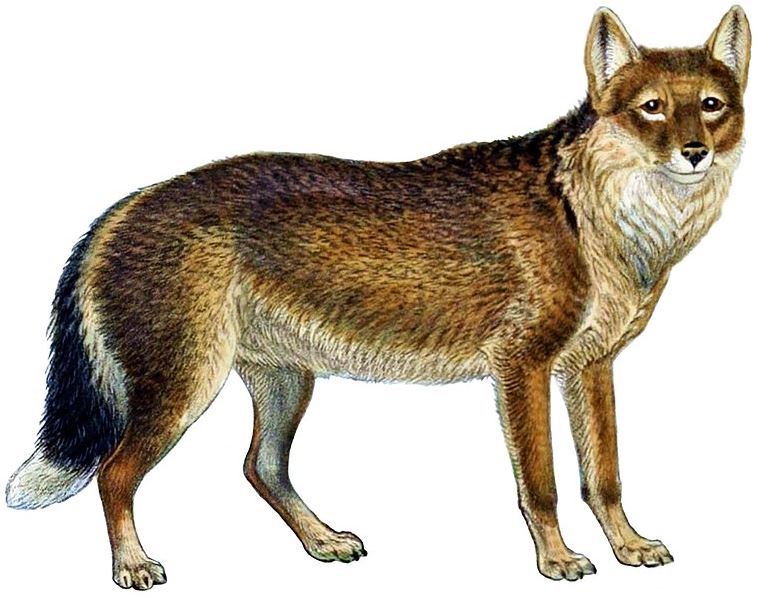
Falkland Islands Wolf
The Falkland Islands wolf, known as the Antarctic wolf and the Falkland Islands fox, went extinct in the late 1800s.
Native to the Falklands off of Argentina, they were pretty isolated from the world.
That’s until humans reached the islands and hunted them since the wolves were so friendly.
Scientists believe these wolves fed on penguins, seals, and other ground-nesting birds.
Cause of Extinction: They were hunted down.
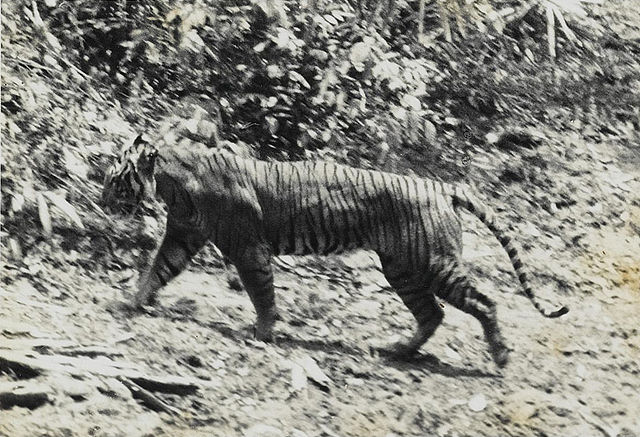
Javan Tiger
While similar in appearance to the Sumatran tiger, the Javan was native to the Indonesian island of Java.
In the 1800s, they were so common that these cats were considered pests by island natives.
But as the island developed, their population dwindled, and by the 1950s, only 20 tigers remained.
Conservation efforts in the 1940s and 1950s were unsuccessful.
A lack of adequate land and planning meant these tigers were not coming back.
Cause of Extinction: Loss of habitat and agricultural development.
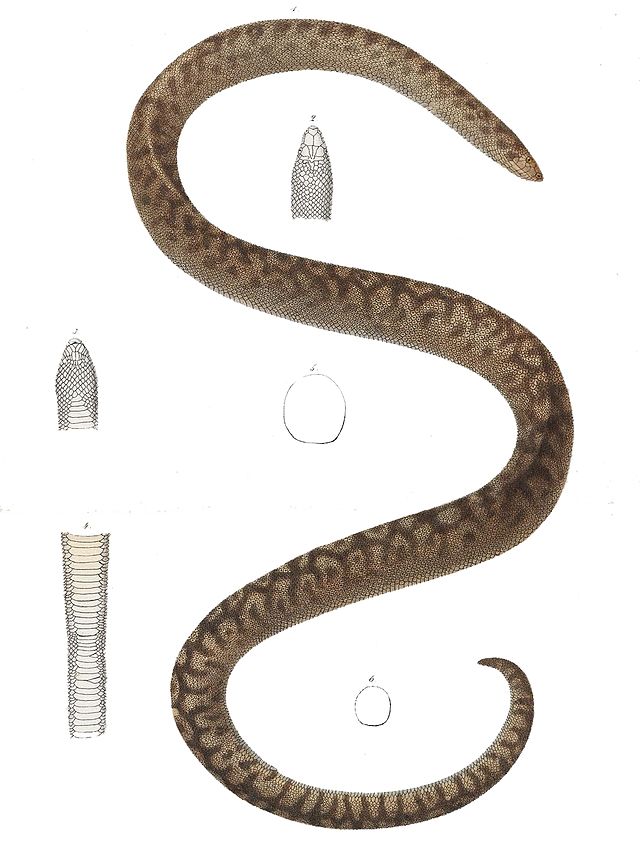
Round Island Burrowing Boa
Native to Round Island, a tiny island off the coast of Mauritius, this snake lived on the topsoil layers of volcanic slopes.
They were once found on several other islands around Mauritius, but population dwindled by the 1940s.
They were only found on Round Island after 1949.
This Boa was last seen in 1975.
Cause of Extinction: The introduction of non-native species of rabbits and goat destroyed vegetation and upset the boa’s habitat.
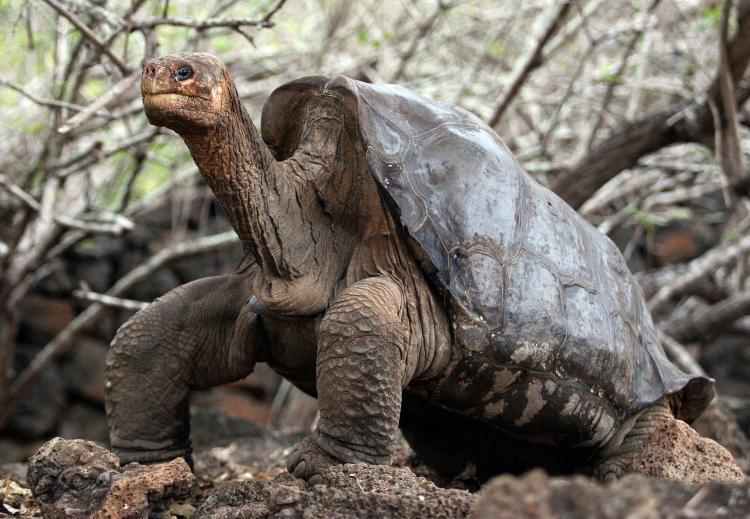
Pinta Island Tortoise
The Pinta Island tortoise probably met Darwin when he visited the Galapagos in 1835.
A male named Lonesome George was the last purebred of this subspecies before passing away in 2015.
Cause of Extinction: Goats were introduced to Pinta Island, destroying their habitats, while rats introduced by humans preyed on young tortoises. Humans also killed these tortoises for their meat.
Dutch Alcon Blue Butterfly
This Dutch butterfly was a subspecies of the Alcon Blue, and was found in the grasslands of The Netherlands.
Closely related species still exist in parts of Europe and Asia, but the last Dutch Alcon Blue seen in the wild was in 1979.
Cause of Extinction: Increases in farming and building impacted their habitat and caused them to lose their main food source.
Schomburgk’s Deer
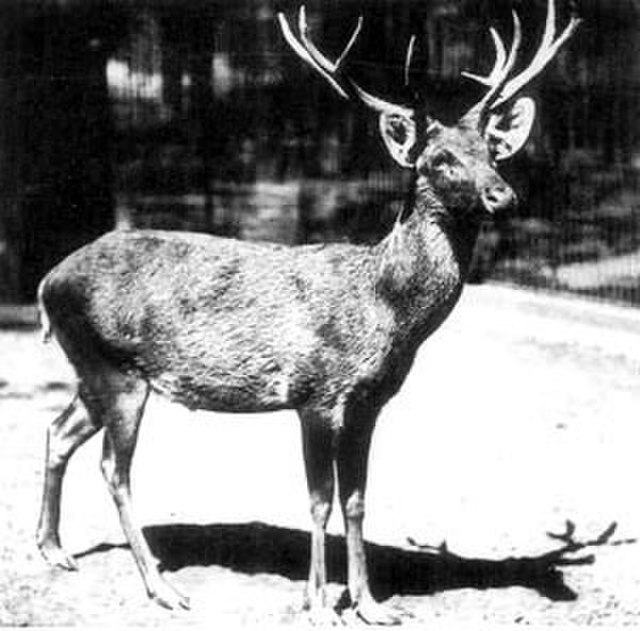
Schomburgk’s deer was named after German-born explorer, Sir Robert H. Schomburgk, who was knighted in 1844.
Scientists believe that there may still be a few in the forests of Thailand, though they were officially declared extinct in 2006.
The last known deer reportedly killed in captivity was in 1938.
There’s one mounted deer head in Paris’ Muséum National d’Histoire Naturelle.
Cause of Extinction: They were hunted by humans, native tigers and leopards.
The Dodo
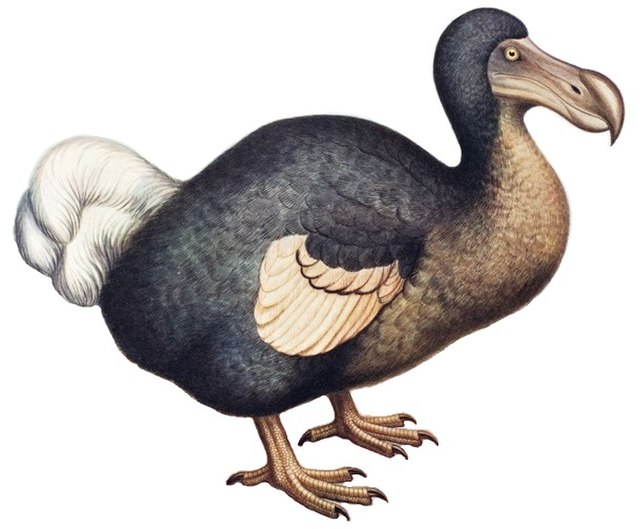
This flightless bird was native to Mauritius. Their population began dwindling and soon became extinct over the short course of a century after sailors arrived on the East African island nation.
The last Dodos were seen in the 1660s, a time when there wasn’t an emphasis on specimen preservation, so remaining fossils were lost or destroyed.
Even though they went extinct more than 150 years ago, the bird’s story is important.
People then didn’t believe that God would take away a creature’s existence since He went through the trouble of creating them, so no one was alarmed at their disappearance.
This led people to believe that there were more Dodos hidden away somewhere in nature, so specimens weren’t handled carefully like they should have been.
Specimen damage and loss was common in the 17th and 18th centuries.
Cause of Extinction: Popular belief was that sailors hunted and ate the Dodo, but it’s more likely that the rats and other animals sailors brought with them caused the bird’s decline.
Rats likely ate Dodo eggs while other animals outcompeted the bird for food sources.
Please SHARE this with your friends and family.


